Reverse Osmosis
RO System Startup Checklist for High-Purity Water
Before commissioning an RO plant, verify feed water quality, membrane condition, energy recovery performance, and post-treatment. Use this audit checklist to catch
Practical equipment guides for water treatment buyers
Buying water treatment equipment means deciding between suppliers, checking technical specifications, and validating performance before installation. This site gives you the technical basis to make those decisions with confidence. You will find clear explanations of filtration, softening, reverse osmosis, disinfection, and wastewater systems, along with the checks and documents that matter in procurement.
The site covers the full range of equipment buyers must evaluate. Each section addresses the specific technical, compliance, and cost factors that drive purchase decisions. Whether you are an engineer, a facility manager, or a buyer, the content is written to help you ask the right questions and avoid costly errors.
Start with the stage of the sourcing process you are in.
Guides on media filters, ion exchange, and pretreatment options to remove impurities and hardness from water.
Technical details on RO membranes, system sizing, and maintenance for high-purity water production.
Overview of UV, chlorine, and ozone methods to ensure microbial safety and compliance in treated water.
Practical information on treatment processes, sludge management, and system design for industrial effluent.
Plain-language explanations of water quality standards, testing requirements, and regulatory compliance.
Analysis of equipment costs, energy consumption, and long-term operating expenses for water treatment plants.
Checklists and criteria to evaluate vendors, verify specifications, and select reliable water treatment suppliers.
Before commissioning an RO plant, verify feed water quality, membrane condition, energy recovery performance, and post-treatment. Use this audit checklist to catch
RO total cost of ownership extends far beyond the equipment invoice. It includes energy, chemicals, membrane replacement, labor, and downtime. This guide shows how to
Declining UV sterilization performance is usually caused by lamp aging, biofouling, or improper installation. Diagnose the issue using specific symptoms and fix it by
Wastewater treatment for industrial effluent requires matching processes to pollutant load. The main steps involve physical separation, biological degradation, and
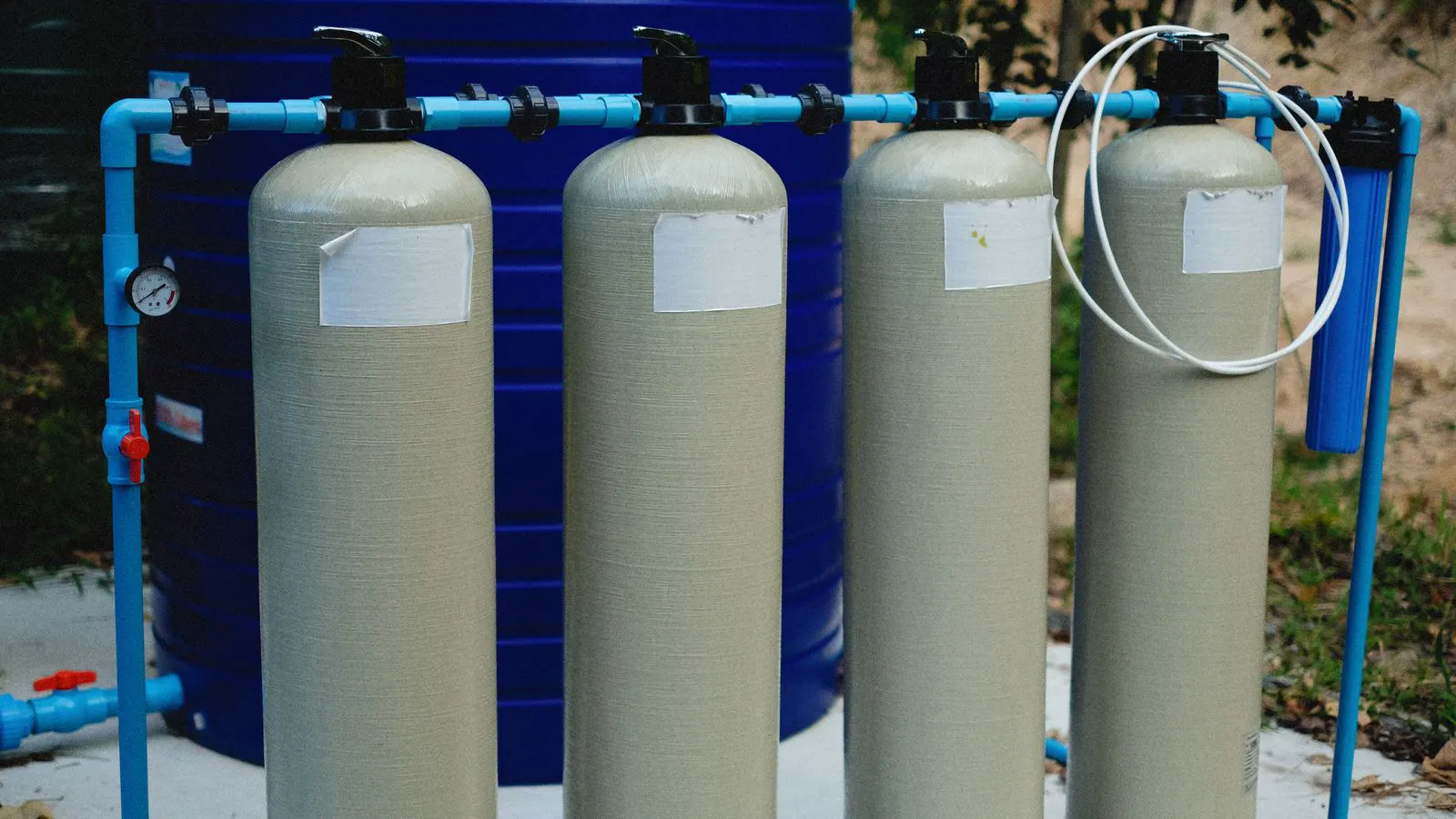
To size a media filter, determine required flow rate and select a filtration velocity. Calculate the filter area using the formula Area = Flow Rate / Velocity. Multiply
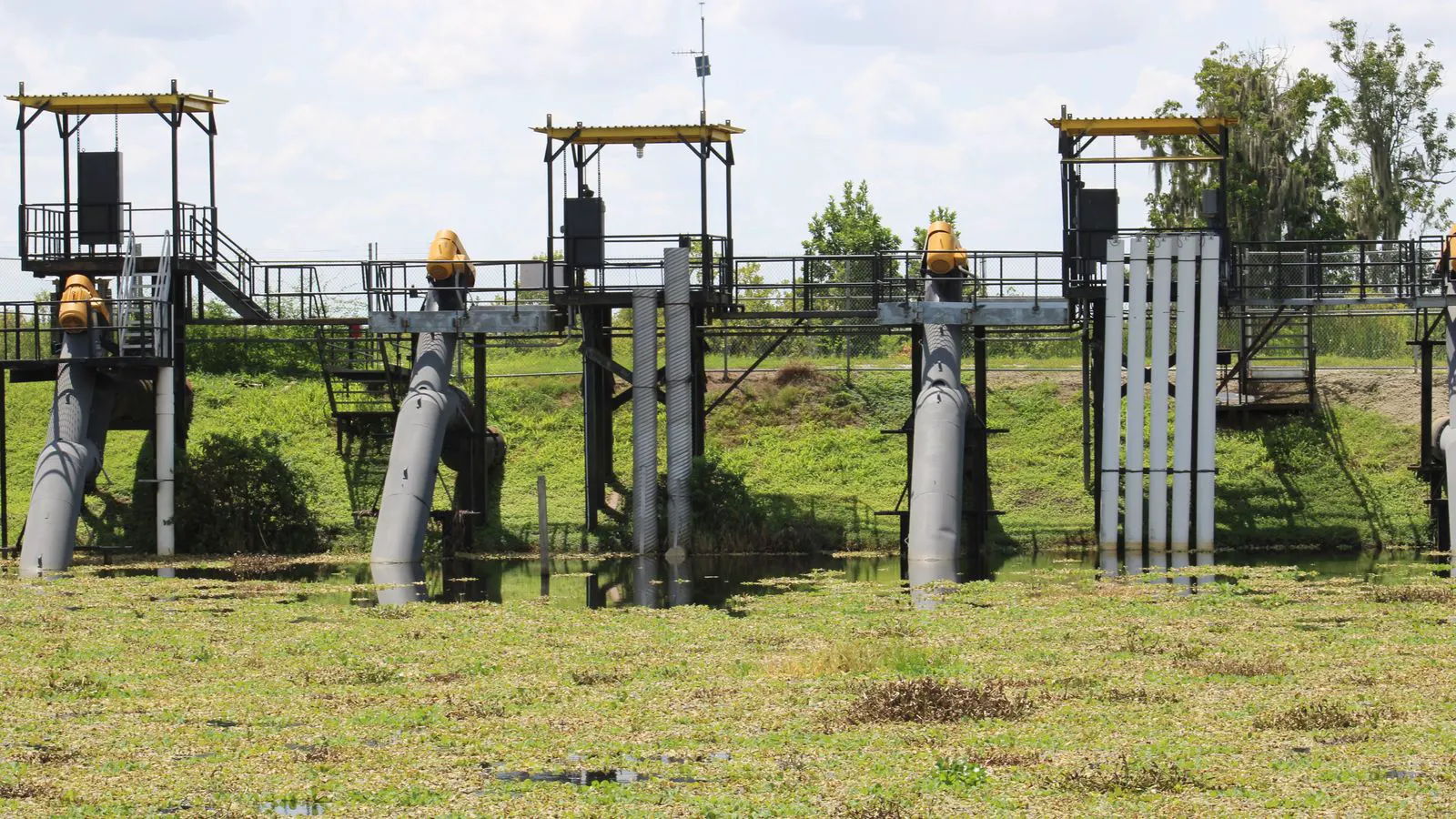
Reverse osmosis permeate often fails lead standards due to upstream contamination, scaling, or membrane degradation. This guide explains the root causes and provides
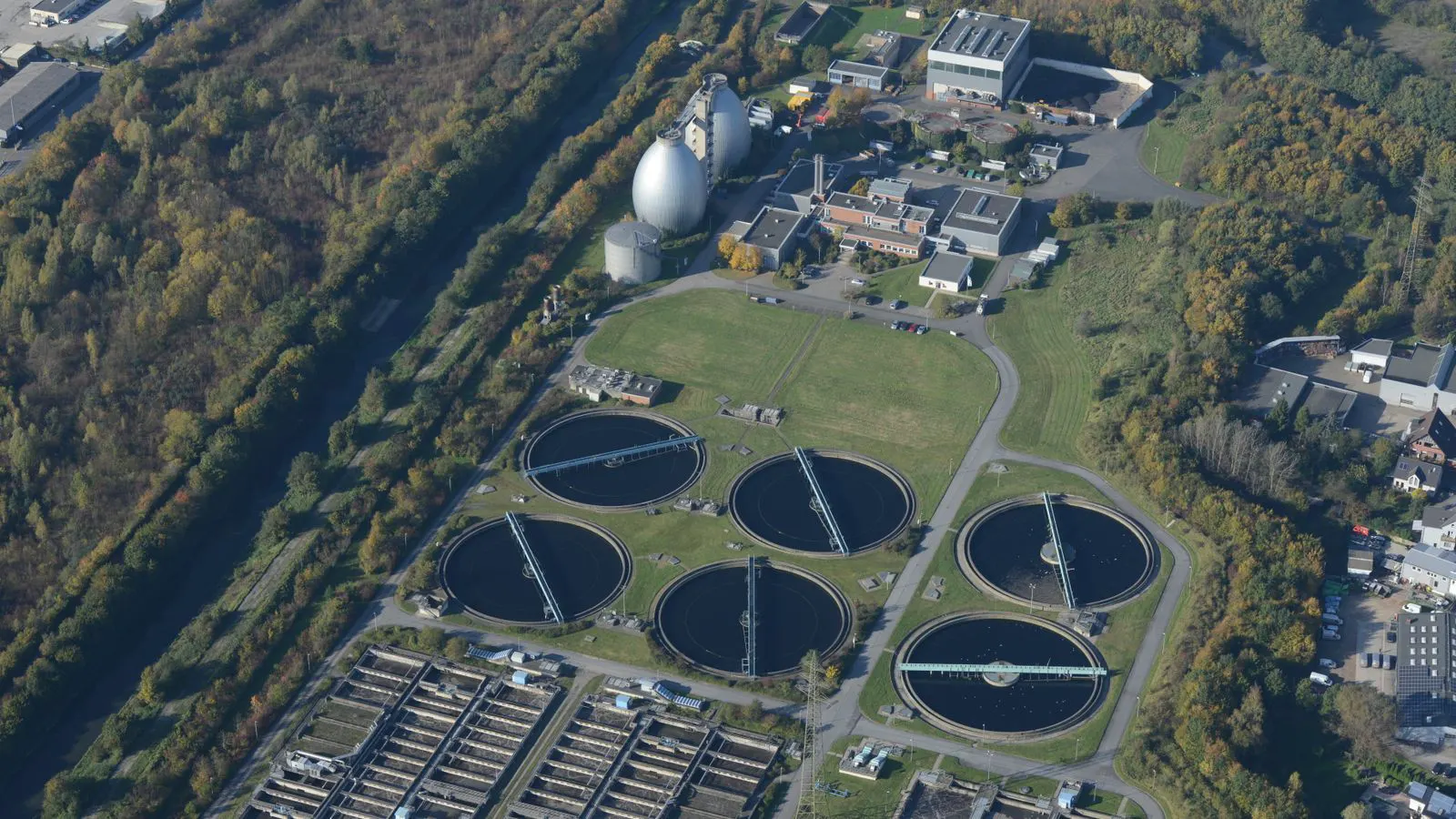
RO membranes often take weeks to months to deliver. Buyers should plan procurement early, specify exact specs, and compare quotes by lead time and warranty. Early
Filtration removes suspended solids and particulates from water using media such as sand, gravel, or membrane elements. Softening reduces hardness ions like calcium and magnesium, often through ion exchange resins. They solve different water quality problems and are frequently used in combination.
Reverse osmosis removes dissolved salts and fine contaminants at the molecular level and is used when high purity is required. Conventional filtration removes suspended solids and is less energy-intensive. The choice depends on your water quality target, feed water composition, and budget.
Check local health and environmental regulations, as well as recognized industry standards for disinfection performance. For UV systems, look for certifications that validate germicidal output. For chlorine systems, verify compatibility with your distribution system and any downstream material requirements.
Capital cost includes the equipment itself, installation, and integration with existing infrastructure. Operating cost includes energy, chemicals, maintenance parts, and labor. Equipment lifetime and downtime risk also affect total cost, so evaluate lifecycle cost rather than purchase price alone.
Request technical data sheets, ask for reference projects, and verify that the supplier can provide installation support and spare parts. Check their quality control processes, lead times, and whether they have experience with your specific application.
Gather technical specifications, compliance certificates, warranty terms, installation drawings, and operation manuals. Make sure all documents are in your working language and that performance guarantees are clearly stated.