Dissolved Air Floation vs Media Filtration for Effluent Polishing
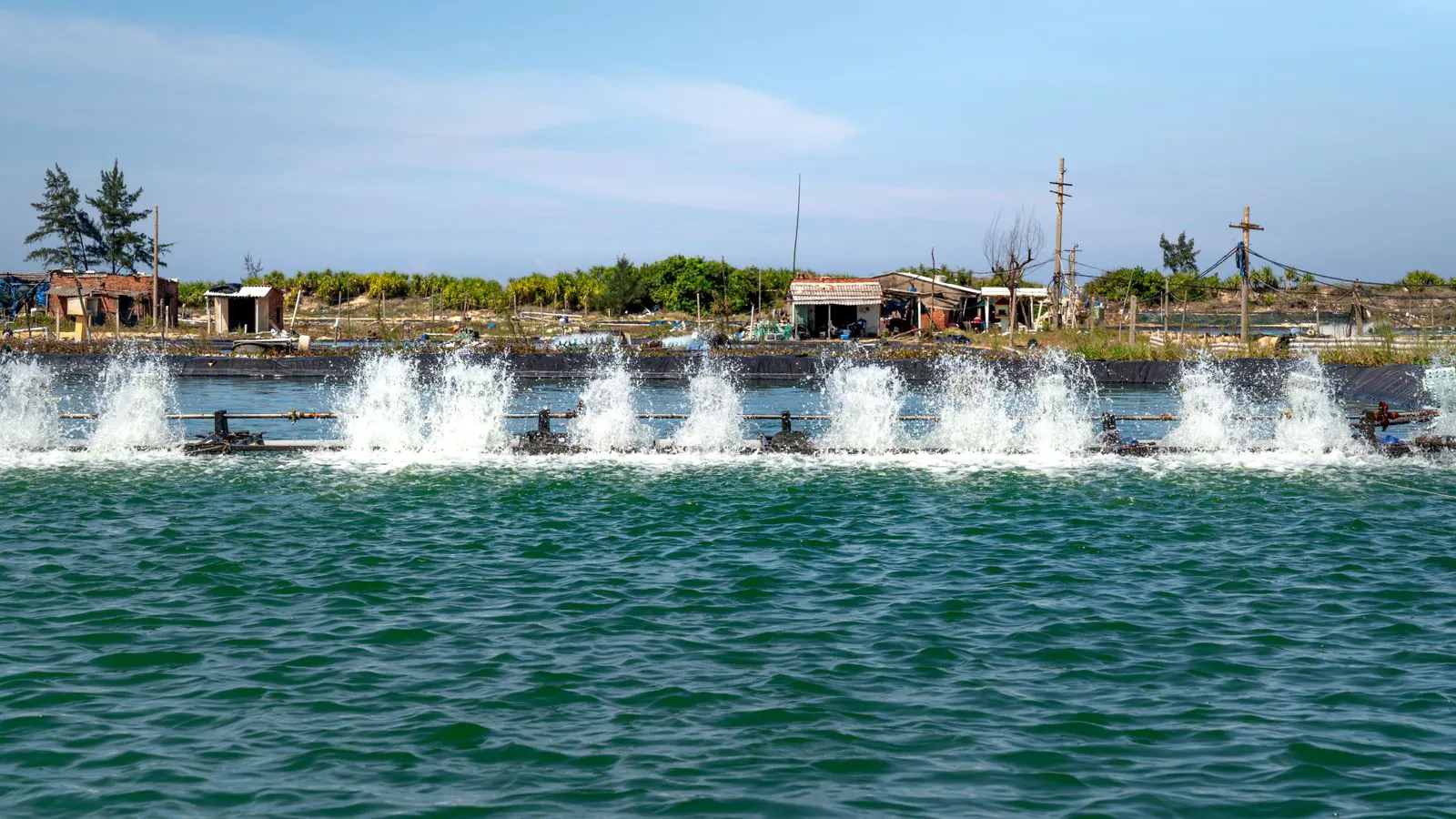
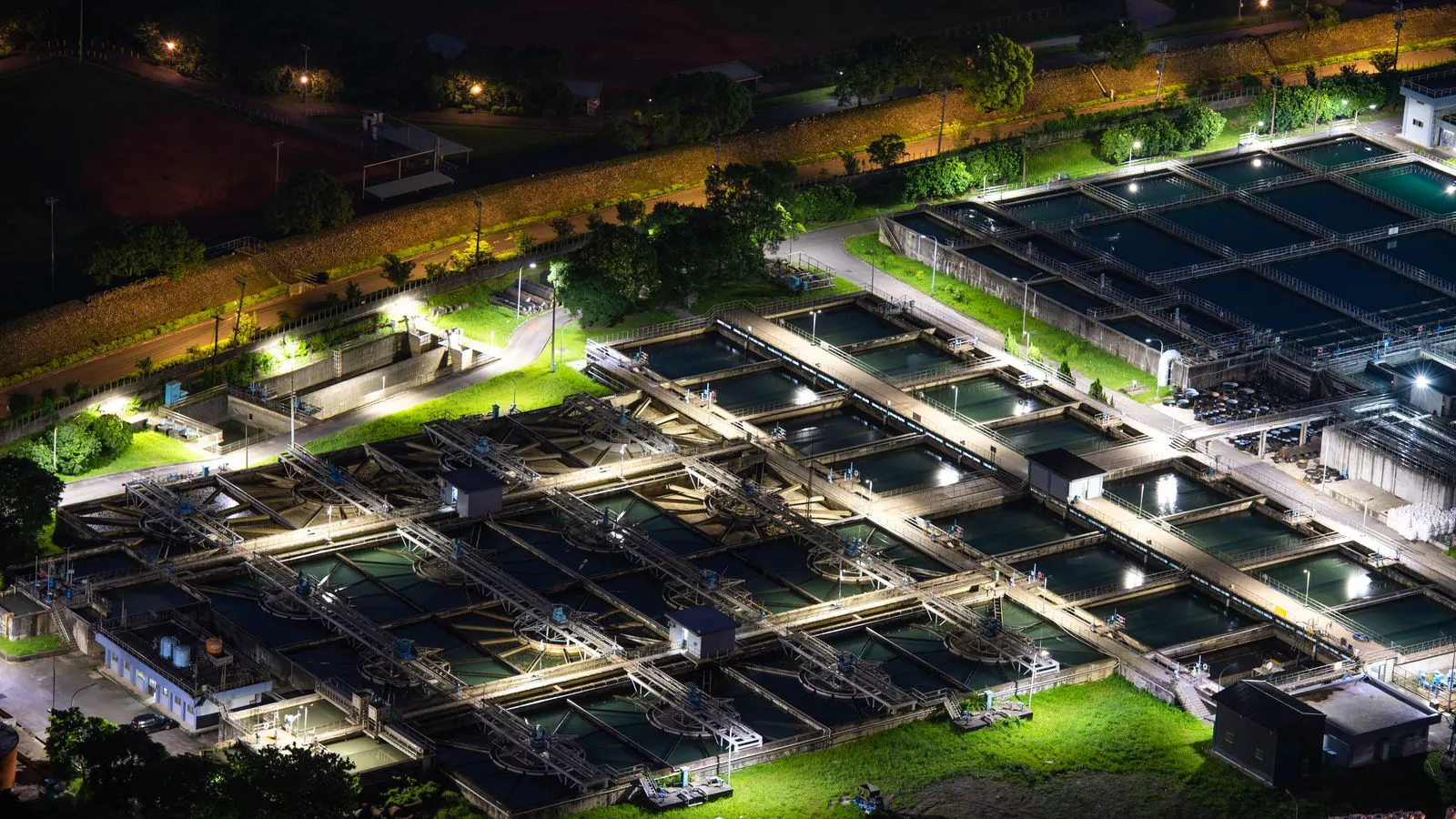
Dissolved air flotation removes fine solids and oils, while media filtration captures particulates. Choosing between these effluent polishing options depends on influent

Analysis of equipment costs, energy consumption, and long-term operating expenses for water treatment plants.

Dissolved air flotation removes fine solids and oils, while media filtration captures particulates. Choosing between these effluent polishing options depends on influent
Carbon capture integration shifts water plant budgets toward hybrid systems. Procurement managers must plan for modular designs, energy trade-offs, and new vendor

Excessive power draw in aeration usually traces back to blower wear, poor valve control, or biological fouling. This guide outlines symptoms and fixes to lower energy

Choose an energy recovery device by matching the technology to your recovery rate, feed pressure, and maintenance budget. Compare pressure exchangers against turbine and

Existing reverse osmosis plants can significantly reduce energy consumption through targeted operational adjustments. This guide outlines specific maintenance, pressure

Green hydrogen is moving from theory to plant-level integration. This guide outlines how sustainable water treatment systems change energy economics, membrane design

ERD lead time depends on design finalization, manufacturer capacity, and shipping routes. Buyers should lock technical specs early, request realistic delivery windows

Anti-fouling chemicals reduce membrane scaling and biofouling, but improper dosing increases cost and causes damage. Balancing chemical spend with regular cleaning

This RO plant startup checklist covers pre-treatment validation and equipment commissioning. It lists specific checks for filtration, chemical dosing, and hydraulic

Small plant operators must weigh desalination energy costs against standard RO. Feed water salinity is the main driver. Higher salinity requires more pressure. This

Sudden RO permeate conductivity spikes signal membrane degradation, fouling, or feed quality shifts. Identify the root cause by checking pressure, feed chemistry, and