Wastewater Equipment Checklist: Pre-Commissioning Inspection Items
A pre-commissioning inspection verifies mechanical integrity, hydraulic flow paths, chemical systems, instrumentation, and safety controls. This checklist helps engineers identify faults before the wastewater system begins continuous operation.
- Verify every mechanical component, hydraulic path, and chemical feed line before startup.
- Test instrumentation and safety controls while the system is dry.
- Confirm operator access to maintenance points and emergency stop functions.
- Review documentation for as-built drawings, material certs, and calibration records.
Why Pre-Commissioning Checks Matter
A wastewater system failure during commissioning can cause extended downtime, damaged equipment, or regulatory issues. The inspection phase catches issues that are easy to fix in a dry state but expensive to resolve once sludge, chemicals, or pressurized water are inside the lines.
Engineers and project managers should complete this checklist before introducing process water. The items below group checks by theme to keep the audit organized. Each point includes a short explanation and red flags to watch for.
The dry phase of a project is the last window where a mechanical fault is inexpensive to correct. If a flange is misaligned or a pipe support is missing, the cost to repair is a few hours of labor and some material. Once the system is filled and pressurized, that same repair becomes a shutdown event. Workers must isolate sections, drain contents, and re-secure the area before any work can begin.
These checks also verify that the installed system matches the design intent. Often, field conditions force deviations during fabrication or installation. If the as-built reality differs from the drawings, the process flow, chemical dosing, and control logic may all fail to perform as expected.
Mechanical and Structural Items
Review all structural and mechanical components for physical integrity. This includes tanks, pipes, valves, pumps, and supports.
-
Tank and vessel condition
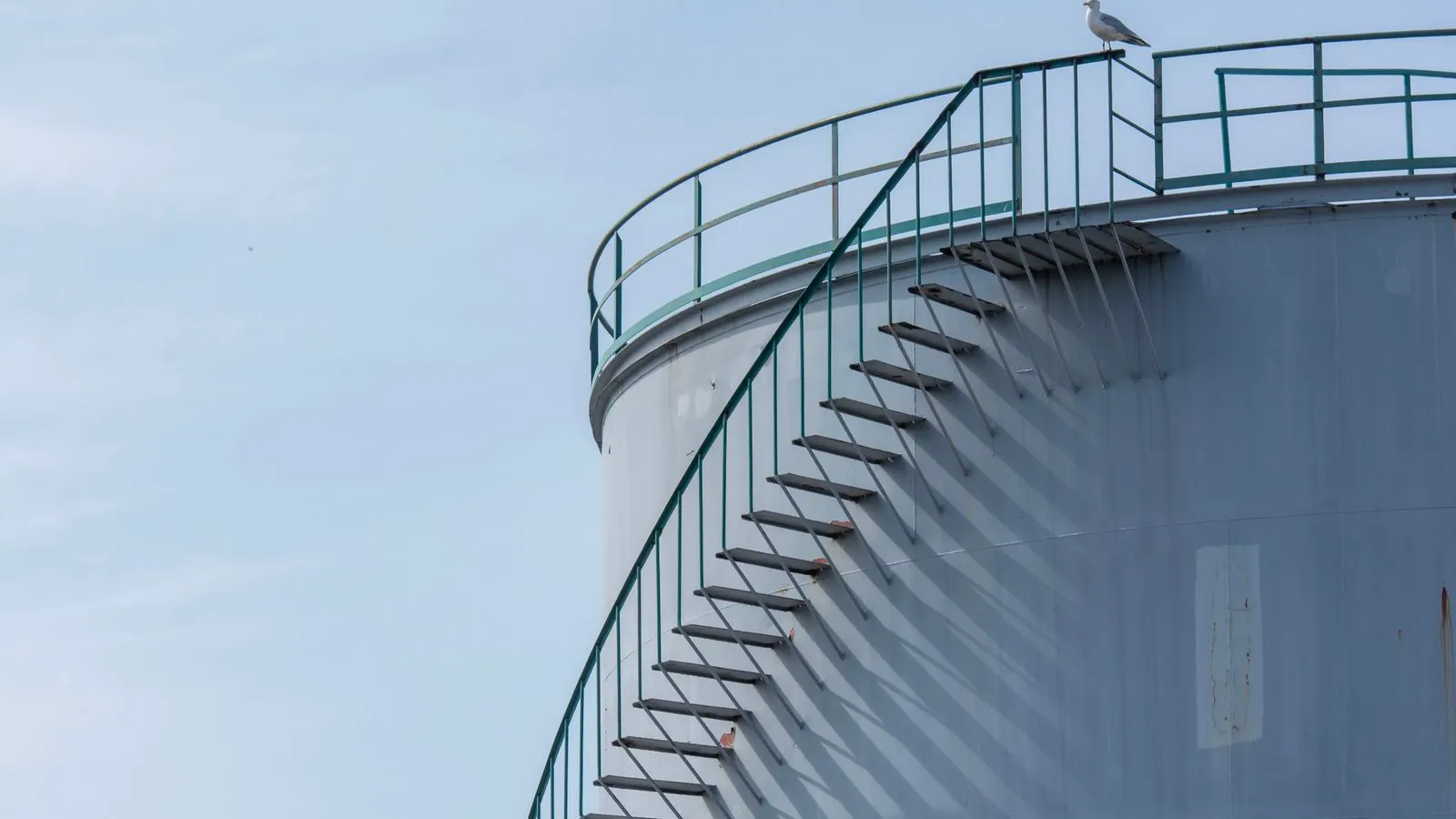
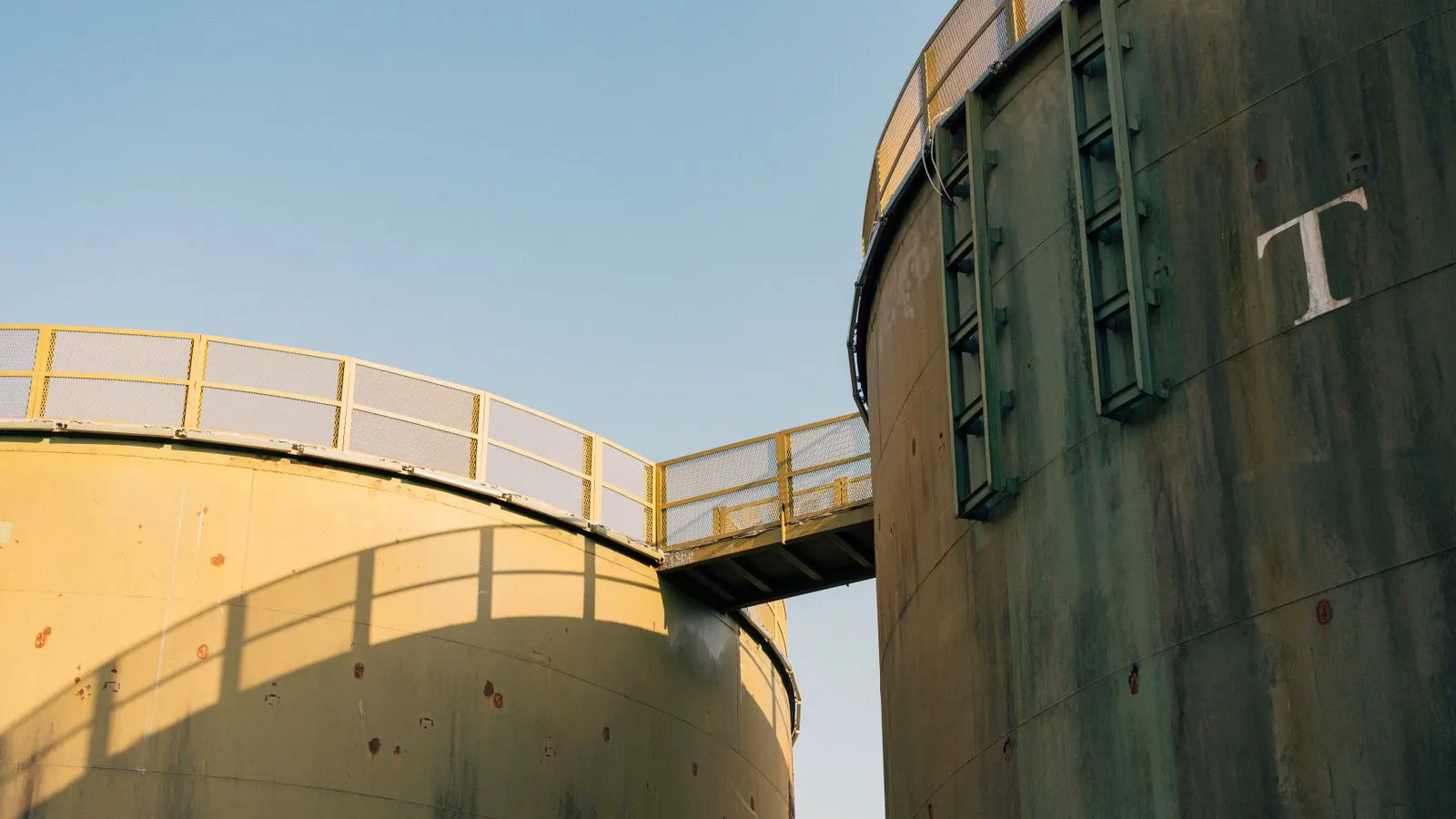
Inspect the interior and exterior of tanks, clarifiers, and reaction vessels. Check welds, linings, and coatings.
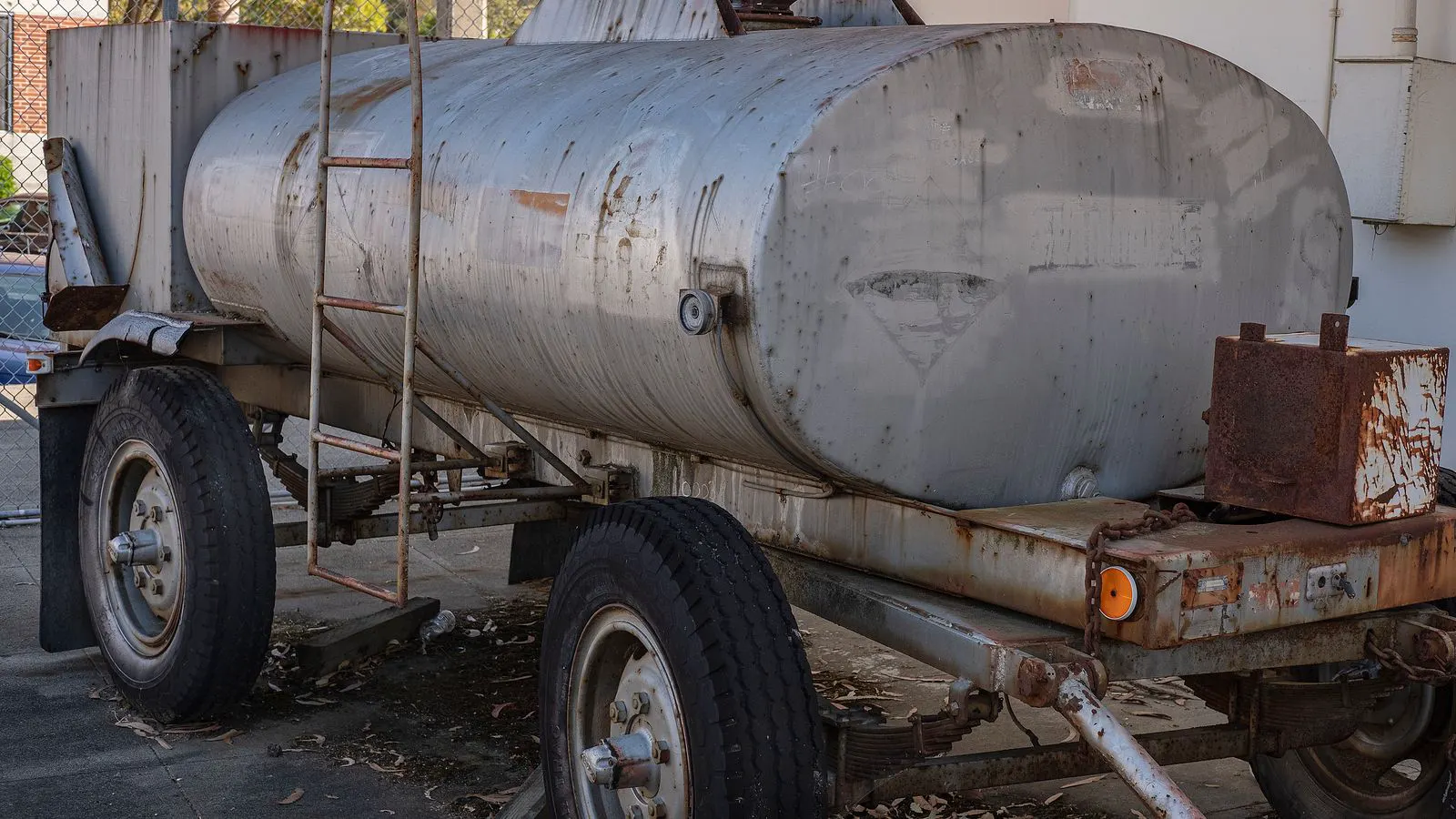
Red flags: visible corrosion, cracked welds, missing liner patches, or structural deformation.Tanks are the primary containment for process water and sludge. Look for stress points around manholes and inlet nozzles. These areas experience the highest mechanical loads. If a weld shows porosity or lack of fusion, the joint will likely fail under pressure or thermal cycling. Linings and coatings protect the base metal from aggressive chemicals. A pinhole in a coating can start a localized corrosion cell that spreads beneath the surface.
-
Piping and supports
Walk every run of pipe. Check for proper support, alignment, and isolation. Verify that valves are in the correct position for startup.
Red flags: unsupported spans, mismatched flanges, or valves stuck open or closed.Piping systems rely on supports to handle the weight of the pipe and the contents inside. During operation, thermal expansion and hydraulic hammer can shift loads. Without adequate support, a pipe may sag or vibrate, causing joint leaks. Check flange gaskets for correct orientation. A gasket installed with the wrong side out can tear easily under pressure. Valves must be verified as “open” or “closed” as per the startup sequence. A ball valve installed with the handle in the wrong position can block the flow path and cause overpressure upstream.
-
Pumps and motors
Confirm pump alignment, coupling condition, and motor rotation direction. Check that lubrication points are accessible and filled.
Red flags: vibration on a dry run, oil leaks, or missing nameplate data.Mechanical seal failure is a common startup issue. Before the pump runs, ensure the coupling is aligned within acceptable tolerances. Misalignment causes bearing wear and seal damage. Check the motor rotation direction. If the pump is a centrifugal type, reverse rotation will cause the impeller to spin backward, potentially damaging the internal components. Verify that the motor nameplate data matches the electrical supply voltage and frequency.
-
Moving parts
Inspect sludge rakes, aerators, scum skimmers, and screens. Ensure guards are in place and motion is smooth.
Red flags: binding, loose fasteners, or missing safety covers.Mechanical movement parts are subject to wear and fouling. Sludge rakes move heavy loads in a wet environment. Check the drive chains and gears for proper tension. If a rake binds, it will trip the motor or break the drive. Scum skimmers require smooth movement to remove surface solids without disturbing the sludge blanket. Ensure all rotating parts have guards. During commissioning, operators often work around the equipment. A missing guard is a serious safety hazard.
Hydraulic and Flow Path Verification
Trace the process flow from inlet to effluent discharge. Every connection must be secure and oriented for the intended direction.
-
Inlet distribution
Check inlet headers, diffusers, and equalization tanks. Confirm that flow is distributed evenly across the treatment zone.
Red flags: blocked ports, uneven spacing, or missing inlet screens.Even flow distribution is critical for process stability. If one side of an equalization tank receives more flow than the other, the hydraulic retention time becomes uneven. This can cause short-circuiting, where water bypasses the treatment zone. Check the inlet screens for debris. A blocked screen reduces flow capacity and can cause the upstream level to rise. Verify that the diffuser nozzles are not clogged with construction dust or debris.
-
Clarifiers and settling zones
Inspect weirs, underflow lines, and rake drives. Verify that the sludge blanket area matches the design.
Red flags: cracked weirs, misaligned rakes, or blocked underflow pipes.Weirs control the outflow from the clarifier. They must be level and free of cracks. A cracked weir allows water to bypass the sludge blanket, reducing effluent quality. Check the underflow lines to ensure they are free of blockages. If the underflow line is blocked, sludge will accumulate in the clarifier, eventually overflowing into the effluent. The rake drive must move the sludge to the center. If the rake is misaligned, it will not concentrate the sludge effectively, reducing the efficiency of the thickening process.
-
Aeration and mixing
Test air blowers, diffusers, and mixing nozzles. Confirm that air and water flow rates are within the expected range.
Red flags: air leaks, clogged diffusers, or dead zones in the tank.Aeration systems require clean air and proper diffuser integrity. Before startup, run the blowers at low speed to check for leaks. Air leaks in the diffusers reduce the efficiency of oxygen transfer. Clogged diffusers create dead zones where water stagnates. This stagnation promotes anaerobic conditions and foul odors. Check the mixing nozzles for proper alignment. They should direct the flow to keep solids suspended and prevent settling.
-
Effluent discharge
Verify the final effluent line, flow meter, and discharge point. Check that the line is slope-correct and free of obstructions.
Red flags: air pockets in the line, missing flow meter, or incorrect discharge height.The effluent line must carry the treated water to the discharge point without issues. Check the slope of the line to ensure it is free-flowing. A line that is not sloped correctly may trap air pockets, which can cause flow meter inaccuracies and potential blockages. Verify the discharge height. It must be above the receiving water level to prevent backflow. Check the flow meter installation. If the meter is not installed in a straight pipe section, the readings will be inaccurate.
Instrumentation and Control Systems
Instrumentation must be calibrated and verified before the system goes online. A faulty sensor can cause the control system to make wrong decisions during startup.
-
Level sensors
Calibrate level transmitters and probes. Check that alarms trigger at the correct setpoints.
Red flags: stuck probes, zero drift, or alarms that do not activate.Level sensors are the primary feedback for tank management. If a level transmitter reads too high, the pump may turn off too early, causing the tank to overflow. If it reads too low, the pump may run continuously, wasting energy and wearing out the motor. Check the calibration against the actual tank level. Use a dip tube or a manual gauge to verify the transmitter reading. Test the high and low level alarms to ensure they activate and deactivate correctly.
-
Flow meters
Verify that flow meters are installed in the correct orientation and that the line is full. Check that the signal reaches the control room.
Red flags: negative readings, air in the measurement pipe, or missing calibration certificates.Flow meters require a full pipe for accurate measurement. If there is air in the line, the reading will be erratic or negative. Check the orientation of the meter. Most magnetic flow meters have an arrow indicating the direction of flow. If installed backward, the meter will not measure correctly. Verify that the signal is being received by the control system. A missing signal can cause the control logic to default to a safe state, potentially shutting down the system.
-
pH and conductivity sensors
Clean and calibrate probes. Confirm that the reference junction is open and the probe is in the right location.
Red flags: slow response, inaccurate readings, or fouled tips.pH and conductivity sensors are sensitive to contamination. Before installation, clean the probes with the recommended solution. Check that the reference junction is not clogged. A clogged junction causes the sensor to drift and respond slowly. Place the probe in the correct location within the tank or pipe. It should be in a well-mixed area, away from the wall and the outlet. Test the sensor with a standard buffer solution to verify accuracy.
-
Control room HMI
Walk through the HMI screens. Verify that every tag, alarm, and trend is present and labeled correctly.
Red flags: missing tags, wrong units, or alarms that are disabled.The Human-Machine Interface (HMI) is the operator’s view of the system. If a tag is missing, the operator cannot monitor that variable. If a tag is labeled incorrectly, the operator may misinterpret the data. Check the alarm configuration. Alarms should be set to the correct values. Disabled alarms are a major safety risk, as they prevent operators from detecting faults. Walk through the trend screens to ensure that historical data is being recorded correctly.
Chemical and Dosing Systems
Chemical dosing is a major source of startup errors. Verify that every chemical is the correct type, concentration, and flow rate.
- Chemical storage tanks
Inspect storage tanks for leaks, proper labeling, and compatible materials of construction.
Red flags: corroded tanks, missing labels, or chemical incompatibility.
Chemical storage tanks must be compatible with the chemical they hold. For example, a tank holding hydrochloric acid must be made of a material that resists acid corrosion. Check the tank for leaks at the connections and the base. Ensure that all labels are present and legible. A missing label can lead to a dangerous mix-up during dosing. Check the material of construction against the chemical data sheet. If the tank is not compatible, it will corrode and leak.
-
Dosing pumps
Check peristaltic, diaphragm, or gear dosing pumps. Verify that the chemical line is primed and free of air.
Red flags: dry running, cracked tubing, or incorrect pump sizing.Dosing pumps must be primed before operation. If a diaphragm pump runs dry, it will overheat and fail. Check the tubing for cracks or wear. Cracked tubing will leak chemical, which is dangerous and wasteful. Verify the pump sizing. If the pump is too large, it will dose too much chemical, wasting cost and potentially damaging the process. If it is too small, it will not dose enough, leading to poor treatment.
-
Mixing points
Confirm that chemical injection points are located where the process design requires. Check that mixing jets are not blocked.
Red flags: poor mixing, chemical settling in the line, or wrong injection depth.
Chemicals must be injected at the correct location to ensure proper mixing. If injected at the wrong depth or location, the chemical may not mix with the process water, leading to localized high concentrations. This can damage the equipment or harm the biological treatment process. Check the mixing jets for blockages. A blocked jet will not distribute the chemical properly. Ensure that the chemical line is sloped to prevent settling. If the chemical settles in the line, the pump may draw solids instead of liquid.
- Safety interlocks
Test interlocks that stop dosing if a pump fails or a level is out of range.
Red flags: interlocks that do not trip, or manual overrides that are not logged.
Safety interlocks protect the system and the environment. If a dosing pump fails, the interlock should stop the process or alert the operator. If a tank level goes out of range, the interlock should prevent further dosing. Test these interlocks to ensure they function correctly. Manual overrides must be logged and justified. An unlogged override is a violation of safety protocols and can mask a fault.
Safety and Access
Safety checks protect operators during the first weeks of operation. A system that is hard to access is a system that will not be maintained properly.
- Access hatches and ladders
Ensure every access point is present, secure, and reachable. Check that ladders and platforms are anchored.
Red flags: missing handrails, loose grates, or blocked egress paths.
Operators need access to the equipment for maintenance and monitoring. Check that all access hatches are present and secure. A missing hatch makes it impossible to enter the tank for cleaning or inspection. Check the ladders and platforms for security. Loose grates can slip, causing falls. Handrails must be present on all platforms and ladders. Ensure that egress paths are clear. A blocked egress path is a fire hazard and a safety risk.
- Emergency stops
Test every emergency stop button. Confirm that the system shuts down in the correct sequence.
Red flags: E-stops that do not cut power, or delayed shutdown times.
Emergency stops must work instantly. Test every E-stop button to ensure it cuts power to the equipment. Check the shutdown sequence. The system should shut down in a safe order, such as stopping the pumps before stopping the blowers. If an E-stop does not work, it is a critical safety failure. A delayed shutdown time can cause equipment damage or an accident.
- Ventilation
Check that enclosed spaces have adequate ventilation. Verify that gas detection systems are active where hydrogen sulfide or methane may accumulate.
Red flags: no ventilation, missing gas alarms, or blocked exhaust fans.
Wastewater systems produce gases such as hydrogen sulfide and methane. These gases are toxic and flammable. Check that enclosed spaces have adequate ventilation. The exhaust fans must be working and unobstructed. Verify that gas detection systems are active and calibrated. A gas alarm that does not work can lead to a fatal accident. Ensure that the exhaust fans are not blocked by debris or construction materials.
- PPE and signage
Confirm that personal protective equipment is available and that hazard signs are posted.
Red flags: missing signs, no PPE storage, or unclear emergency procedures.
Personal Protective Equipment (PPE) is the last line of defense. Check that PPE is available at the point of use. This includes hard hats, safety glasses, gloves, and protective clothing. Check that hazard signs are posted. Signs should warn of hazards such as “Wet Floor,” “Electrical Hazard,” or “Toxic Gas.” Ensure that emergency procedures are posted and understood by the operators. A missing sign or missing PPE can lead to injury.
Documentation and Handover
Paperwork is part of the inspection. Without it, operators do not know how the system works, and maintenance teams cannot troubleshoot faults.
- As-built drawings
Verify that the as-built drawings match the installed equipment. Check that pipe labels and instrument tags match the drawings.
Red flags: discrepancies between design and installation, or missing drawings.
As-built drawings are the official record of the installed system. They must match the physical installation. If the drawings do not match the installation, the operators and maintenance teams will be confused. Check that pipe labels and instrument tags match the drawings. A mismatch can lead to the wrong equipment being maintained or the wrong chemical being dosed. Missing drawings are a major issue. Without them, it is difficult to troubleshoot faults or perform future upgrades.
- Material certificates
Review material test reports for critical components. Confirm that materials are suitable for the wastewater chemistry.
Red flags: missing certificates, or materials that do not match the design specification.
Material certificates verify the quality and composition of the materials used in the system. They are critical for corrosion-resistant components. Check that the materials are suitable for the wastewater chemistry. For example, carbon steel may not be suitable for a highly acidic wastewater. Missing certificates can lead to the use of inferior materials, which will fail prematurely.
- Calibration records
Collect calibration certificates for all instruments and sensors. Verify that the calibration dates are current.
Red flags: expired calibrations, or missing records for critical sensors.
Calibration records ensure that the instruments are accurate. Check that the calibration dates are current. Expired calibrations mean the instruments may be inaccurate. This can lead to process upsets and regulatory non-compliance. Missing records for critical sensors are a major issue. Without them, the accuracy of the data is unknown.
- Operation and maintenance manuals
Confirm that O&M manuals are provided for every major component. Check that spare parts lists are included.
Red flags: missing manuals, or manuals that do not match the installed equipment.
Operation and Maintenance (O&M) manuals are the primary reference for operating and maintaining the system. Check that manuals are provided for every major component. They should include startup procedures, operating limits, and maintenance schedules. Check that spare parts lists are included. A missing parts list can cause delays in maintenance. If the manuals do not match the installed equipment, they are useless.
Quick Reference Table
Use this table to track the status of each check during the audit.
| Theme | Key Item | Status |
|---|---|---|
| Mechanical | Tank and vessel condition | Pending |
| Hydraulic | Inlet distribution | Pending |
| Instrumentation | Level sensor calibration | Pending |
| Chemical | Dosing pump priming | Pending |
| Safety | Emergency stop test | Pending |
| Documentation | As-built drawings | Pending |
Final Review
Before the wastewater system receives process water, every item on this checklist must be closed. Open issues should be logged with a clear fix date. If a red flag is found, stop the inspection and address the issue before moving to the next theme.
The goal is a clean start. A well-commissioned system runs more smoothly, uses less energy, and avoids the costly repairs that come from minor faults that were ignored.
Frequently asked questions
Should the system be tested with water before full commissioning?
Yes. A low-pressure water test is standard. It checks for leaks and verifies flow paths without the risks of full load.
Who should perform the pre-commissioning inspection?
The project engineer, the contractor, and the operator should all be present. The operator can confirm that the system is usable in daily practice.
What if a calibration certificate is missing?
Recalibrate the instrument before startup. Do not rely on a sensor that has no verified accuracy record.
Are chemical compatibility checks needed for storage tanks?
Yes. Verify that the tank material is compatible with the stored chemical. Incompatible materials cause leaks and corrosion.
Can the checklist be shortened for a small system?
Yes, but every theme should still be reviewed. Even a small system has mechanical, hydraulic, instrumentation, chemical, and safety items that need verification.