Reverse Osmosis
Why RO Feed Water pH Affects Membrane Performance
RO feed water pH changes membrane surface charge and scaling behavior. High or low pH can reduce flux and damage fibers. Correcting feed water quality protects the
Technical details on RO membranes, system sizing, and maintenance for high-purity water production.
RO feed water pH changes membrane surface charge and scaling behavior. High or low pH can reduce flux and damage fibers. Correcting feed water quality protects the
RO low recovery usually points to feed pressure problems, concentration polarization, or scaling. Check the feed pump, monitor the ratio of permeate to brine, and

High-flux RO membranes reduce energy per liter by increasing water production at lower pressure. Choose based on feed quality, required recovery, and fouling risk. This

RO membrane replacement costs depend on type, size, and quality tier, while lead times vary by supply chain conditions. This guide covers cost drivers, standard delivery

This guide provides a structured RO pre-commissioning checklist to verify site readiness, system integrity, and fluid compatibility before energizing a new high-pressure

Choose RO vs EDI based on feed water quality and purity targets. RO removes bulk solutes, while EDI polishes trace ions. Most high-purity systems use both in series to

Selecting RO membranes for desalination requires matching membrane chemistry and physical specs to your feed water profile. This guide provides a framework for
Low permeate flow usually stems from fouled membranes, high inlet pressure, or incorrect feed chemistry. This guide lists common symptoms and corrective actions so you
Polyamide and ceramic RO membranes differ in material, pressure tolerance, and chemical resistance. Polyamide suits most commercial and industrial uses, while ceramic

Sizing an RO system for high-purity water requires balancing feedwater quality, target purity, and membrane capacity. This guide provides a step-by-step method to
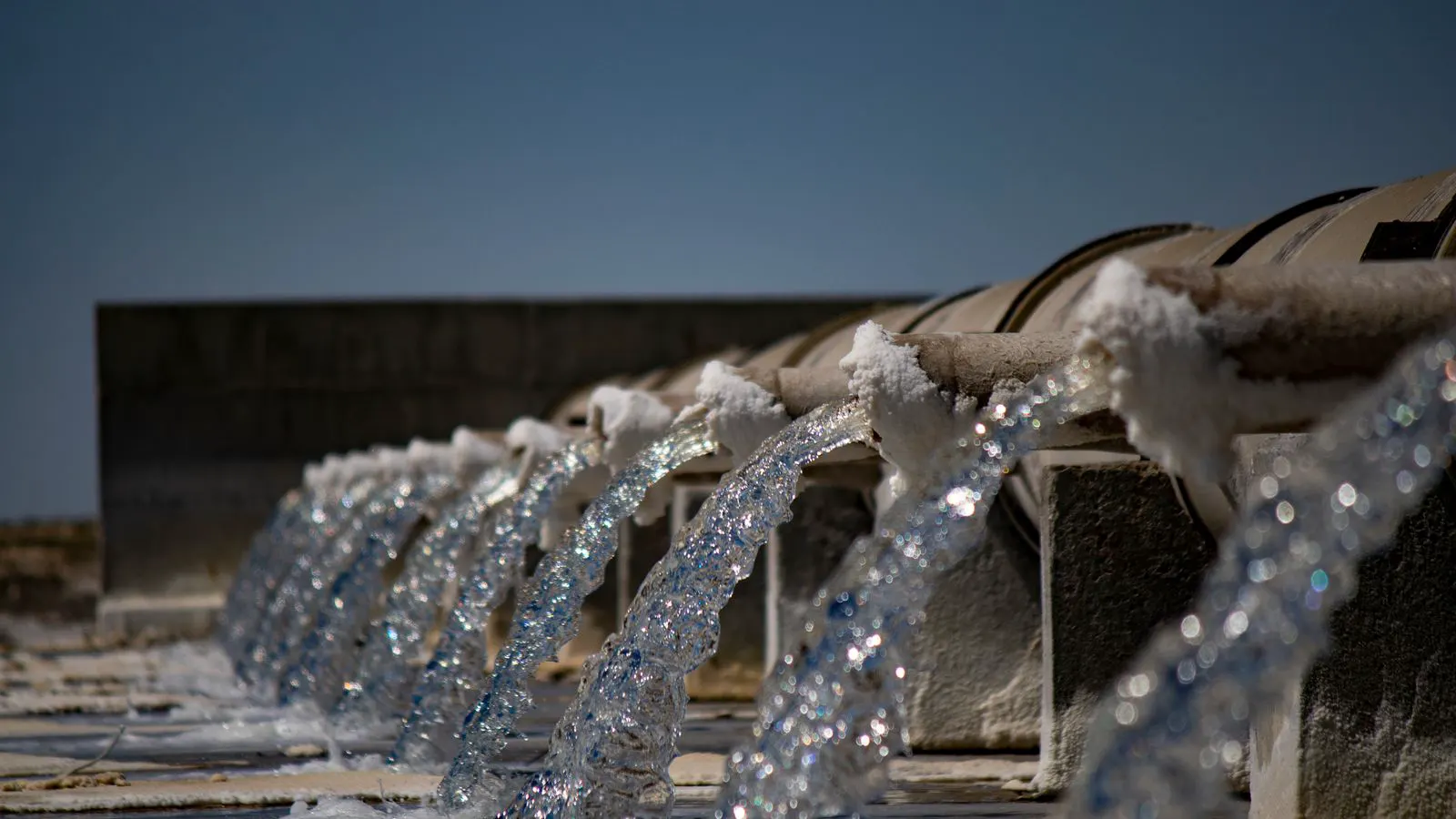
Emerging RO membranes are moving toward higher flux, improved fouling resistance, and broader chemical tolerance. Buyers should watch material changes, testing
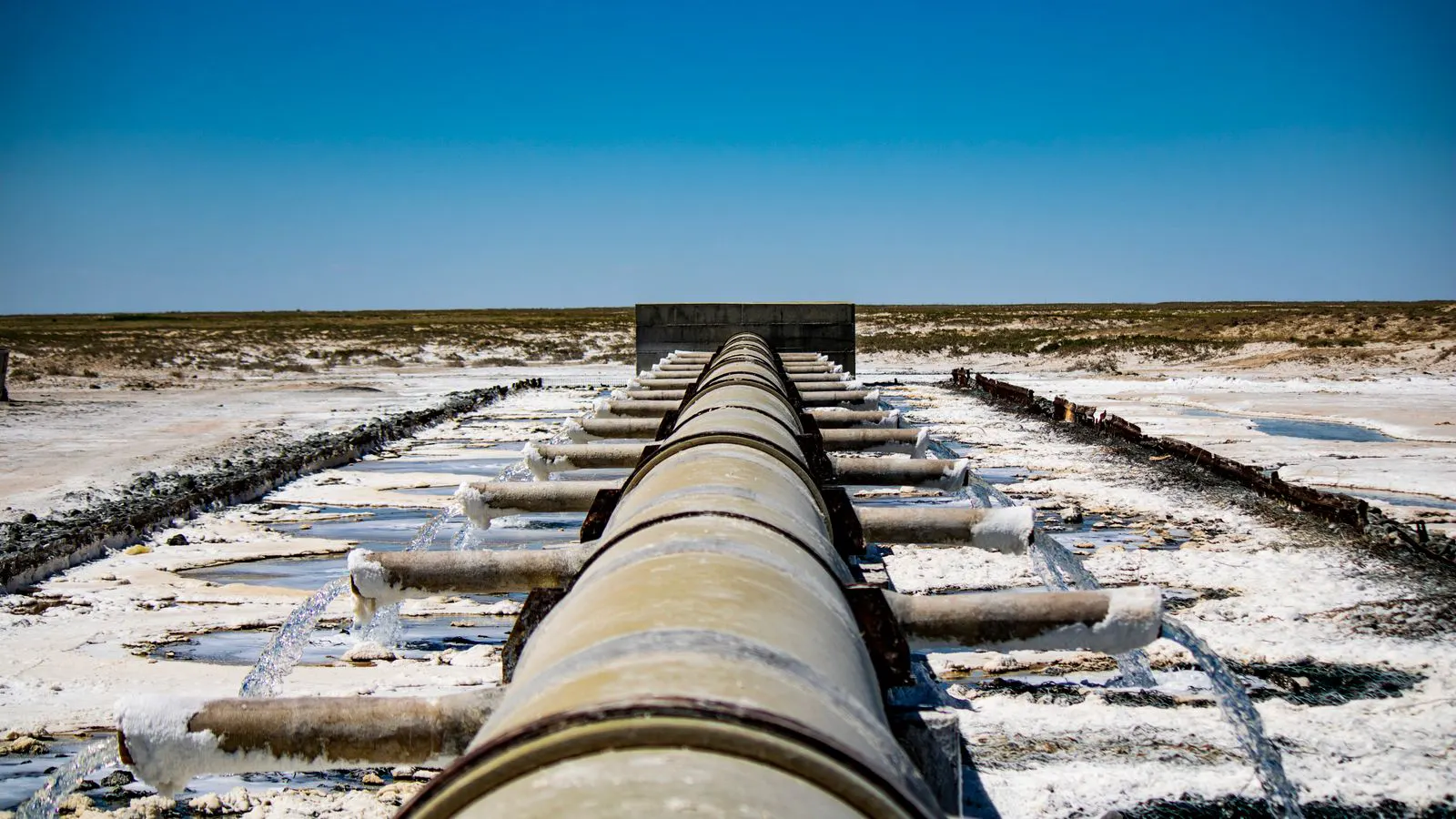
Reverse osmosis membranes separate impurities using pressure greater than osmotic pressure. This forces water through while trapping salts and particles. Performance