Explainer: Why UV is Essential for Cryptosporidium Removal
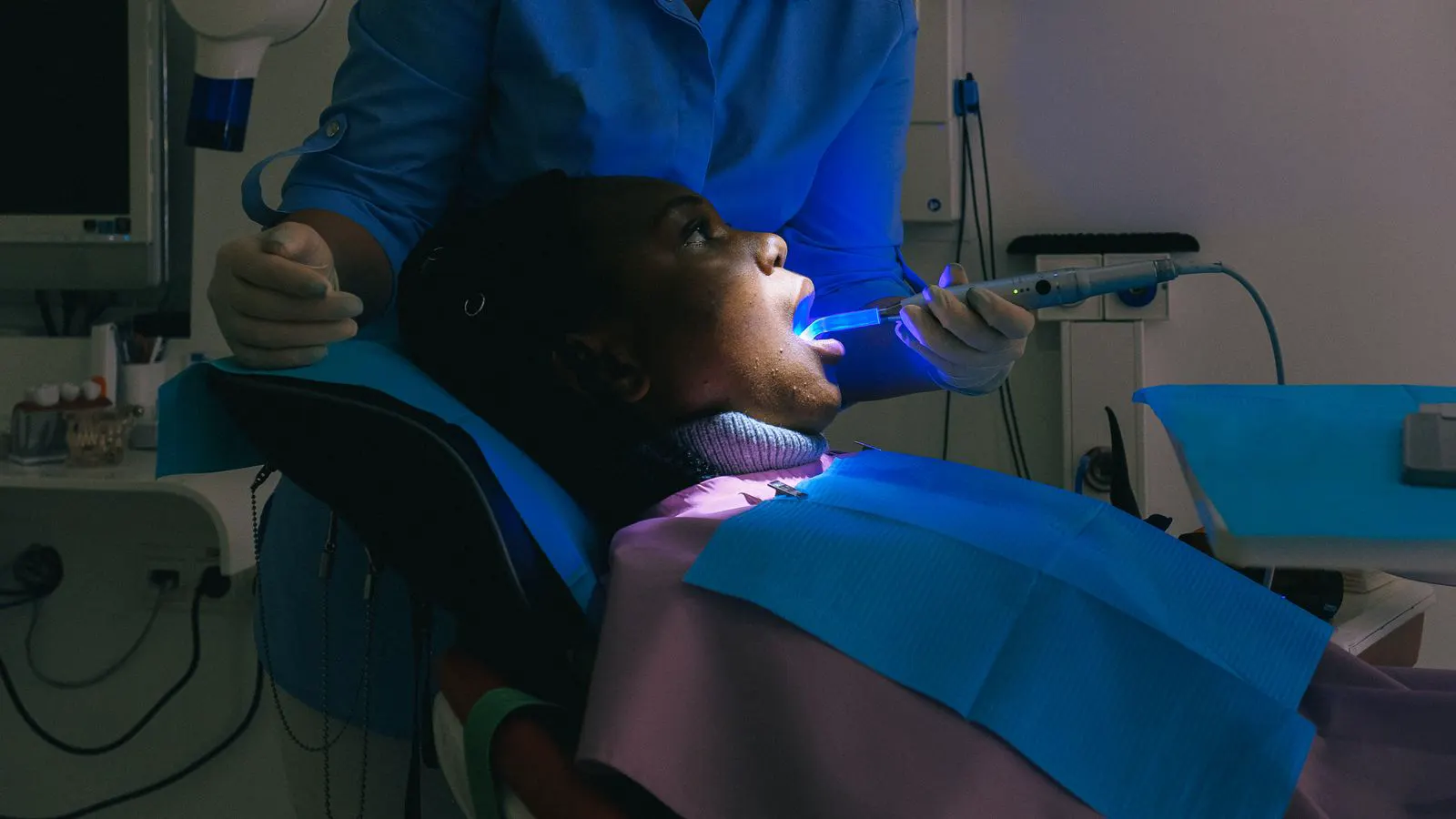
UV sterilization damages the DNA of cryptosporidium oocysts, inactivating them without chemical byproducts. This makes UV a primary control for chlorine-resistant pathogens. The effectiveness of UV depends on proper lamp sizing, water clarity, and consistent lamp replacement schedules to ensure microbial safety.
- Cryptosporidium is resistant to chlorine because its thick outer shell protects the pathogen from chemical disinfection.
- UV sterilization works by damaging the DNA inside the oocyst, preventing it from replicating.
- Sourcing decisions must account for water clarity, turbidity, and the specific UV dose required to inactivate these organisms.
- Regular maintenance of quartz sleeves and UV lamps is required to maintain consistent performance and avoid compliance risks.
Why Cryptosporidium Defies Chemical Disinfection
Cryptosporidium is a microscopic parasite that causes cryptosporidiosis. The pathogen exists in a shell called an oocyst. This outer shell is tough. It resists the chemical disinfectants most water utilities rely on, such as chlorine and chloramine.
This resistance is not a minor inconvenience. It is a structural problem. Chlorine works by attacking the cells of bacteria and viruses. It relies on chemical reactions that break down biological structures. The oocyst of Cryptosporidium has a thick, waxy-like coating that shields the internal cell from these reactions. As a result, standard chlorine dosing often fails to inactivate the parasite, even when the water tests clean for other indicators.
This is why regulatory bodies often require a second barrier of disinfection. If a water source is suspected to contain Cryptosporidium, chlorination alone may not provide the necessary protection. This is the core reason UV sterilization appears in so many municipal and industrial water treatment designs.
How UV Sterilization Inactivates the Oocyst
UV sterilization uses ultraviolet light to damage the DNA inside microorganisms. When a water molecule passes through a UV chamber, photons with specific wavelengths strike the pathogen. These photons are absorbed by the DNA and RNA molecules. This absorption creates chemical changes in the genetic material, causing the DNA strands to cross-link.
When the DNA is damaged in this way, the oocyst cannot replicate or infect a host. The physical shell of the oocyst may remain intact, but the organism inside is dead. This is a physical inactivation method, not a chemical one.
There is no chemical residue left in the water. There are no chlorination byproducts. The water flows out of the chamber with the same taste and odor profile it had before entering, provided the UV dose was sufficient. This makes UV a clean solution for treating water that already contains dissolved organics or has a sensitive taste profile.
Key Terms for Sourcing Decisions
To evaluate UV systems for this specific application, you need to understand three technical terms: UV dose, lamp output, and water clarity.
UV Dose is the energy applied to the water, measured in millijoules per square centimeter (mJ/cm2). It is the product of the light intensity and the time the water spends in the chamber. For Cryptosporidium, the required dose is significantly higher than for bacteria.
Lamp Output is the power generated by the UV lamps inside the reactor. Lamps are rated by their output in watts or microwatts. Over time, this output decays.
Water Clarity refers to the turbidity and color of the water. Water that is cloudy, colored, or contains organic matter absorbs UV light. If the water absorbs the light before it reaches the pathogen, the oocyst is not inactivated.
The Role of Water Quality in UV Performance
UV sterilization does not work in all water conditions. It requires clear water. If the source water has high turbidity or high color, the UV light is blocked. The photons are absorbed by suspended solids or dissolved organics. This prevents the light from reaching the oocyst.
This is a critical factor in sourcing. If your source water is variable, you need a pre-filtration stage before the UV reactor. A sediment filter or a cartridge filter can remove the particles that would otherwise shield the pathogen from the light.
Without pre-filtration, the UV system will appear to fail. The oocysts will pass through the chamber because the light never touched them. You cannot simply increase the lamp power to compensate for poor water quality. The physics of absorption do not change. The water must be clear for the light to penetrate.
Comparing UV to Chemical Disinfection
The table below compares UV sterilization with other common disinfection methods regarding their effectiveness against Cryptosporidium and their impact on water quality.
| Disinfection Method | Effectiveness vs. Cryptosporidium | Byproducts | Maintenance Needs |
|---|---|---|---|
| UV Sterilization | High (if dose and clarity are met) | None | Regular lamp replacement, sleeve cleaning |
| Chlorine | Low (resistant) | Trihalomethanes, haloacetic acids | Dosing control, residual monitoring |
| Ozone | High | Peracetic acid, bromate (if bromide present) | Precise dosing, oxidation control |
| Chloramine | Low (resistant) | None | Dosing control, residual monitoring |
Chlorine and chloramine are cost-effective but ineffective against this specific pathogen. Ozone is effective but complex to manage. UV sits in the middle. It is highly effective but requires strict control over water clarity and lamp health.
A Worked Example of a Sourcing Decision
Consider a municipal water plant that serves a region with high turbidity during rainy seasons. The source water contains Cryptosporidium. The plant currently uses chloramine for disinfection.
During a heavy rain event, the turbidity spikes. The chloramine residual drops. The oocysts survive the chlorination process. They enter the distribution system. This is a public health risk.
The plant needs a secondary disinfection step. The engineering team evaluates UV sterilization. They look at the peak turbidity of the water. They calculate the maximum UV dose available with a standard UV lamp. They find that the standard lamp output is not enough because the water is too cloudy to transmit the light.
The solution is not to buy a more powerful lamp. The solution is to install a pre-filtration system. The plant adds a cartridge filter before the UV reactor. This removes the suspended solids. The water becomes clear. The UV light now penetrates the water. The oocysts are exposed to the UV dose. Their DNA is damaged. They are inactivated.
This example shows that UV is not a standalone product. It is a system. The sourcing decision includes the lamp, the quartz sleeve, the reactor chamber, and the pre-filtration equipment. All parts must work together. If one part fails, the whole system fails.
Practical Checks for Buyers
When evaluating UV sterilization for Cryptosporidium removal, focus on these practical checks.
- Verify the UV Dose. Ask for the calculated dose at the inlet and outlet of the reactor. Ensure it meets the requirements for Cryptosporidium inactivation.
- Check the Quartz Sleeve. The quartz sleeve must be clean. Mineral buildup blocks light. Ask about the cleaning schedule and the material of the sleeve.
- Confirm the Lamp Type. Low-pressure lamps are common. They have a longer life than high-pressure lamps. Check the expected life and the replacement cost.
- Assess the Water Quality. Determine the maximum turbidity and color of your source water. If it is high, budget for pre-filtration.
- Look for Monitoring. A good system includes a UV intensity sensor. This sensor measures the lamp output in real time. It alerts the operator if the output drops.
Final Thoughts
UV sterilization is a physical disinfection method that targets the DNA of pathogens. It is the preferred method for inactivating Cryptosporidium because it bypasses the chemical resistance of the oocyst shell. It leaves no chemical byproducts in the water.
The success of this method depends on physics. The water must be clear. The lamp must be healthy. The dose must be sufficient. These are not abstract concepts. They are engineering constraints that must be managed.
When you source a UV system, you are not just buying a lamp. You are buying a control mechanism for a specific biological threat. Understand the water quality. Verify the dose. Plan for maintenance. These steps ensure that the UV sterilization does its job.
Frequently asked questions
Does UV sterilization remove Cryptosporidium from the water?
No. UV sterilization inactivates the pathogen but does not remove it from the water. The oocyst remains in the water, but it is dead and cannot cause infection.
How long do UV lamps last?
UV lamps have a rated life, which is typically several thousand hours. The output decays over time. Regular replacement is required to maintain the disinfection dose.
Can UV be used with chlorine?
Yes. UV is often used as a secondary disinfection step after chemical disinfection. It provides an additional barrier against chlorine-resistant pathogens.
What if the water is cloudy?
UV light does not penetrate cloudy water. You must pre-filter the water to remove suspended solids before it enters the UV chamber.
Is UV effective against viruses?
Yes. UV is highly effective against viruses. It is one of the primary methods used for virus inactivation in water treatment.