Troubleshooting Low Recovery in Reverse Osmosis Systems
RO low recovery usually points to feed pressure problems, concentration polarization, or scaling. Check the feed pump, monitor the ratio of permeate to brine, and inspect the membrane for fouling. Adjusting the flow ratio and cleaning the system restores normal production.
- Monitor the feed-to-permeate ratio to identify when concentration polarization begins.
- Maintain adequate feed pressure to push water through the membrane without clogging the pores.
- Regularly inspect the membrane for scaling or fouling that blocks water pathways.
- Use anti-scaling chemicals to prevent mineral deposits on the membrane surface.
Why does a RO system produce less water than expected?
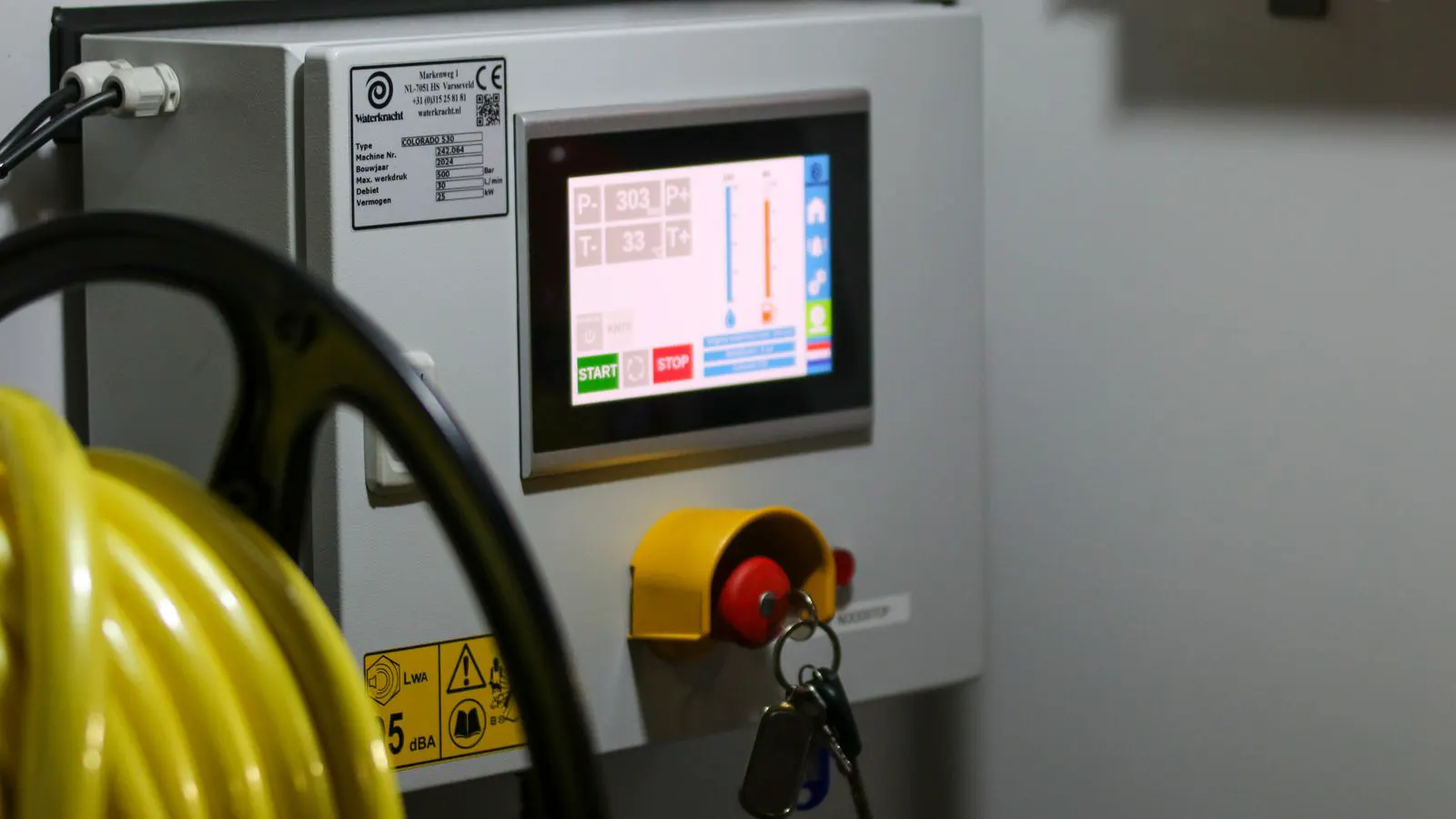
A drop in recovery is one of the first signs that a reverse osmosis system is working against itself. Recovery is the percentage of feed water that becomes permeate. When this number falls below the design specification, the plant produces less water, wastes more brine, and often faces higher energy costs. The symptoms are usually visible in the control panel. The permeate flow rate drops while the feed flow stays stable, or the feed pressure climbs while the permeate flow stays flat.
This issue rarely happens in a single step. It develops over time as the membrane surface changes or as the operating parameters drift. The most common causes are mechanical, such as a failing feed pump or a clogged prefilter, and chemical, such as scaling or the buildup of organic fouling. Understanding which of these is at work is the first step to fixing the problem.
What symptoms indicate a recovery drop?
Before changing any settings, record the current operating data. You need the feed flow, the permeate flow, the feed pressure, and the brine flow. Look for patterns over several days. A sudden drop often points to a mechanical blockage. A slow decline over weeks suggests membrane fouling or scaling.
If the feed pressure rises while the permeate flow drops, the membrane is likely getting dirty. The pores are partially blocked, so the pump has to work harder to push the same amount of water through. If the feed pressure is low and the permeate flow is low, the feed pump may be losing prime or the suction line may have an air leak. In either case, the system is not delivering the required hydraulic head to the membrane.
What are the common causes of low recovery?
The primary causes of RO low recovery fall into three categories: hydraulic, chemical, and mechanical.
- Feed Pressure Issues: The feed pump must maintain a pressure high enough to overcome the osmotic pressure of the feed water and the resistance of the membrane. If the pump wears out, the suction filter clogs, or the feed valve restricts flow, the pressure drops.
- Concentration Polarization: As water moves through the membrane, the rejected salts and organics get pushed toward the membrane surface. This creates a boundary layer with a higher concentration than the bulk feed. This layer increases the osmotic pressure difference, which effectively lowers the net driving force for water.
- Membrane Fouling and Scaling: If the feed water contains minerals like calcium and sulfate, they can precipitate on the membrane surface. Organic matter and colloids can also stick to the membrane. These deposits physically block the pores, reducing permeability.
Troubleshooting table for common symptoms
Use this table to match your symptoms with the likely causes and corrective actions. This is the fastest way to narrow down the problem during a shift.
| Symptom | Likely cause | What to do |
|---|---|---|
| Permeate flow drops, feed pressure rises | Membrane scaling or fouling | Check differential pressure. Clean with acid or alkali if needed. |
| Permeate flow drops, feed pressure falls | Feed pump failure or suction line leak | Inspect pump impeller. Check for air leaks in the suction line. |
| Permeate flow drops, feed pressure is stable | Concentration polarization | Reduce the feed-to-permeate ratio. Increase the permeate flow rate. |
| Permeate quality drops (high TDS) | Membrane pinhole or channeling | Inspect the membrane for physical damage. Replace if necessary. |
| Brine flow increases, permeate flow drops | Feed valve restriction | Clean or replace the feed valve. Check the prefilter. |
How to address concentration polarization
Concentration polarization is the most common operational cause of RO low recovery. It happens when the permeate flow rate is too high relative to the feed flow. The rejected solutes pile up at the membrane surface faster than they can be washed away. This creates a “boundary layer” that acts like a second, thicker membrane with a higher osmotic pressure.
To fix this, adjust the flow ratio. The standard design for many RO systems is a feed-to-permeate ratio of 3:1 or 4:1. This means for every one liter of permeate produced, three or four liters of feed are used. If you run the system at a 2:1 ratio, you are concentrating the brine too quickly. The boundary layer thickens, and the net driving force drops.
Check the brine flow meter. If it is reading lower than expected, the system is not rejecting enough water. Increase the brine flow to flush the membrane surface. Do not increase the feed pressure to compensate. Raising the pressure will only make the concentration layer thicker and can damage the membrane.
How to check for mechanical and hydraulic issues
Mechanical failures are often easier to spot than chemical ones. Start with the feed pump. Listen for unusual noises. A grinding sound suggests bearing wear. A humming sound with no flow suggests the pump is losing prime. Check the suction filter. If it is clogged, the pump cannot draw enough water, and the pressure drops.
Next, check the feed valve. This valve controls the amount of water entering the high-pressure system. If the valve is partially closed or the internal diaphragm is worn, the flow is restricted. The pressure gauge will show a drop. Open the valve to full flow and monitor the pressure. If the pressure recovers, the valve was the issue.
Also inspect the prefilter. RO systems rely on prefiltration to remove particulates. If the prefilter clogs, the feed pressure drops and the membrane gets fouled faster. Check the differential pressure across the prefilter housing. If it exceeds the manufacturer’s limit, replace the filter element.
How to clean a fouled membrane
If the recovery drop is slow and the pressure is rising, the membrane is likely fouled. Do not skip the cleaning step. A dirty membrane will not recover its flow rate even if you adjust the flow ratio.
First, backwash the system if it has a backwash cycle. This flushes loose particulates off the membrane. If the recovery does not improve, perform a chemical clean. For scaling, use a diluted acid solution. For organic fouling, use a diluted alkali or bleach solution.
Follow the manufacturer’s instructions for the cleaning cycle. Typically, you circulate the cleaning solution through the membrane for 30 to 60 minutes. Monitor the temperature. Keep it below 35 degrees Celsius to avoid damaging the polymer membrane. After the clean, flush with clean water for 15 to 30 minutes to remove the cleaning agent.
Check the recovery rate after the clean. It should return to the design specification. If it does not, the membrane may be permanently damaged.
Prevention tips to maintain high recovery
Preventing RO low recovery is easier than fixing it. Build a maintenance schedule around the three main causes: hydraulic, chemical, and fouling.
- Monitor the Feed Ratio: Set up an alarm for the feed-to-permeate ratio. If it drifts outside the design range, investigate. This is the best indicator of concentration polarization.
- Check the Pre-Filter: Replace the prefilter element when the differential pressure reaches half of the original value. Do not wait for it to clog completely.
- Use Anti-Scaling Chemicals: Dose the feed water with anti-scaling agents. This prevents mineral deposits from forming on the membrane surface.
- Regular Membrane Inspection: Visually inspect the membrane every six months. Look for discoloration, swelling, or physical damage.
- Keep the Feed Pump Serviced: Check the pump impeller and seals annually. A failing pump is a common cause of sudden pressure drops.
By following these steps, you can keep the recovery rate stable and avoid unexpected downtime.
Frequently asked questions
Can I increase feed pressure to fix low recovery?
No. Raising feed pressure can make concentration polarization worse. It pushes the rejected salts against the membrane surface, thickening the boundary layer. Fix the flow ratio or clean the membrane first.
How do I know if the membrane is scaling?
Scaling usually shows up as a rising feed pressure and a slow drop in permeate flow. The differential pressure across the membrane housing will also increase. A chemical clean with acid is the standard test.
What is the ideal feed-to-permeate ratio?
Most RO systems are designed for a ratio between 3:1 and 4:1. Check your specific system design. Running below 3:1 increases concentration polarization. Running above 4:1 wastes brine and increases energy costs.
Will a new membrane always fix low recovery?
Not always. If the cause is hydraulic, like a bad feed pump, a new membrane will not help. You must fix the root cause. A new membrane will only help if the old one was fouled or damaged.
How often should I clean the membrane?
It depends on the feed water quality. High-quality feed water may need a clean once a year. Poor quality water may need a clean every few months. Monitor the differential pressure and recovery rate to decide.