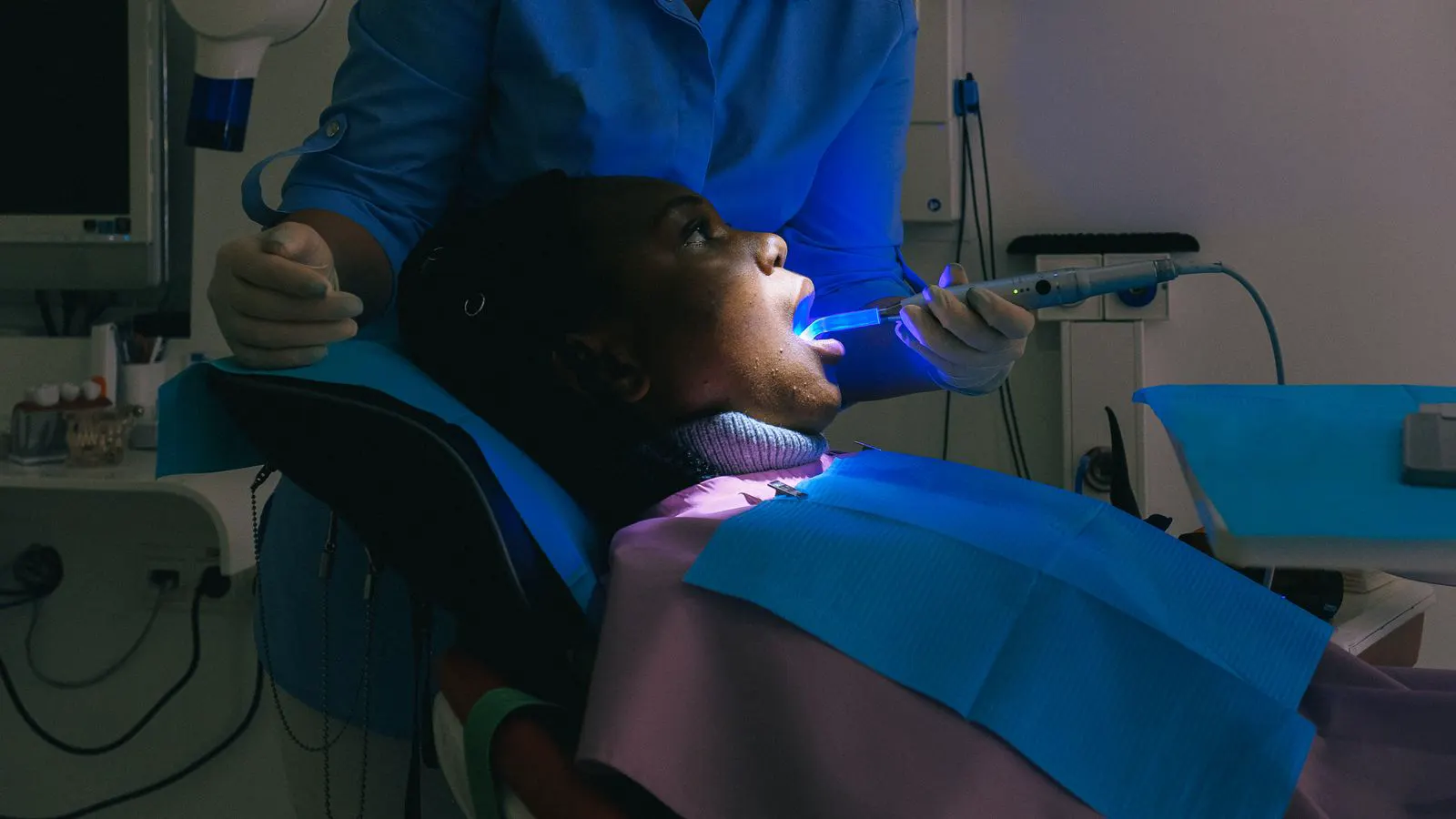
Disinfection & UV
Explainer: Why UV is Essential for Cryptosporidium Removal
UV sterilization damages the DNA of cryptosporidium oocysts, inactivating them without chemical byproducts. This makes UV a primary control for chlorine-resistant
Overview of UV, chlorine, and ozone methods to ensure microbial safety and compliance in treated water.
UV sterilization damages the DNA of cryptosporidium oocysts, inactivating them without chemical byproducts. This makes UV a primary control for chlorine-resistant
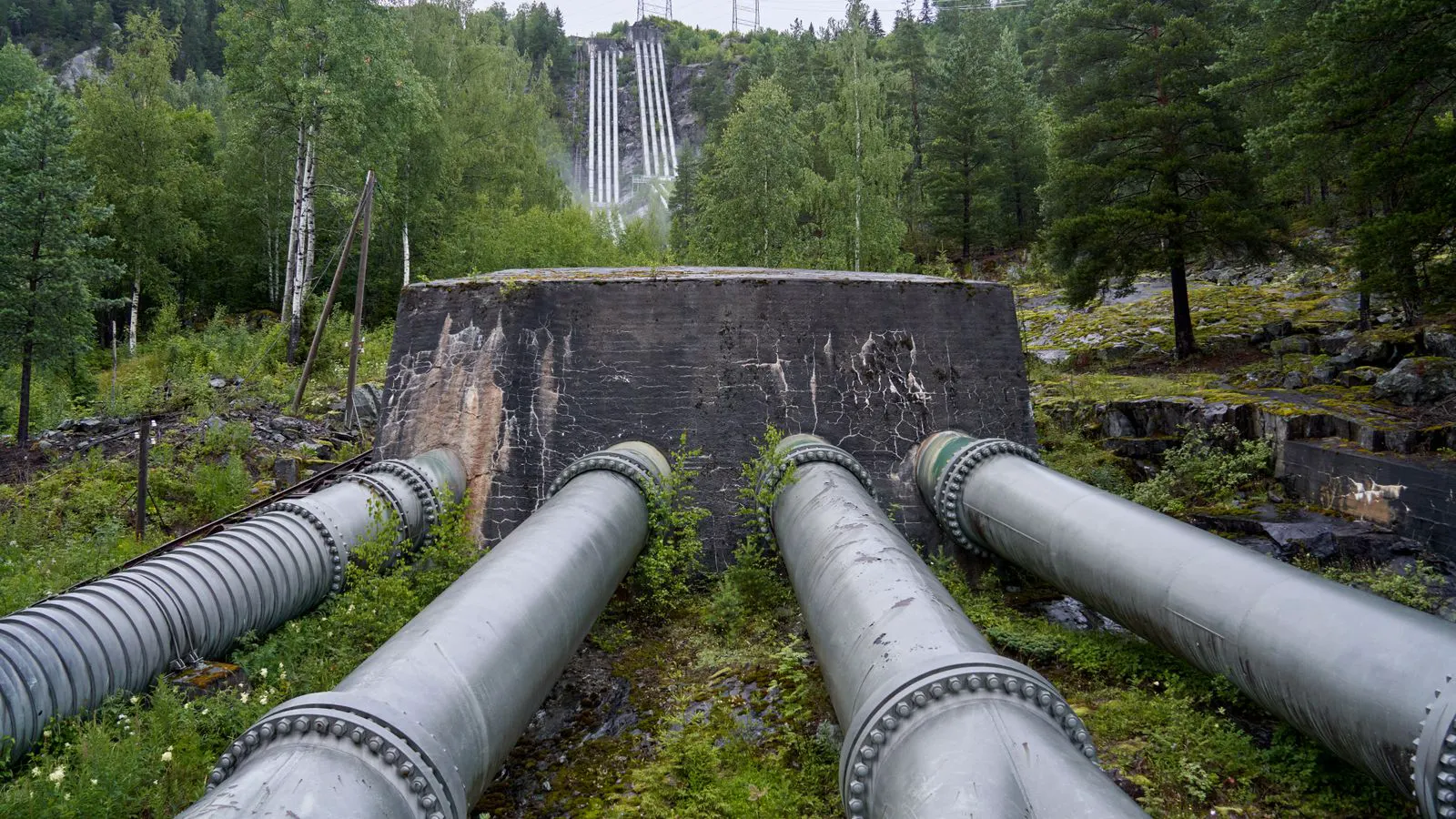
Water disinfection choices depend on source water quality, regulatory targets, and infrastructure. UV, ozone, and chlorine each handle pathogens differently. The right
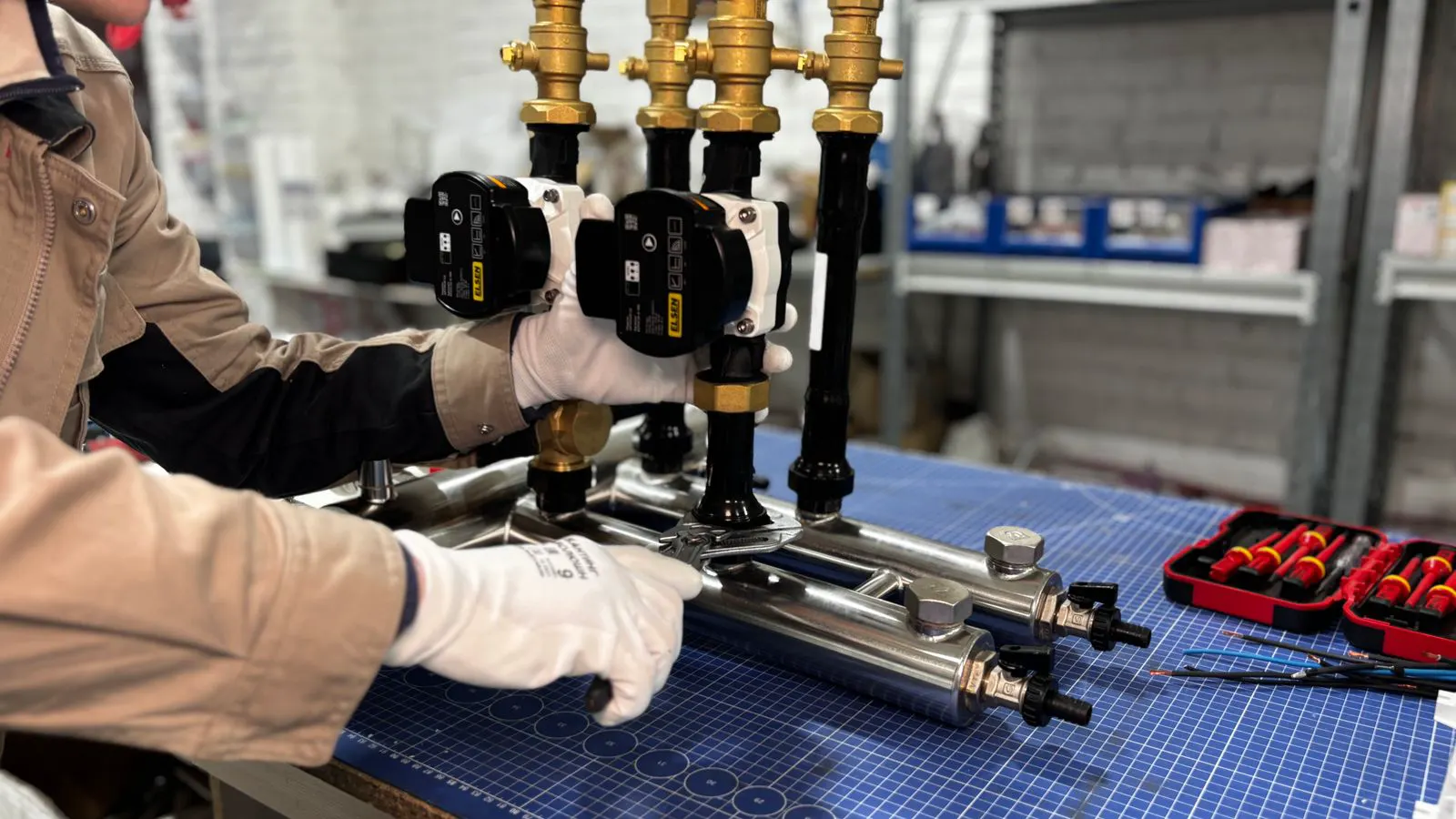
Calibrate ozone generators by checking mass flow meters, verifying ozone concentration with a detector, and testing the final residual at the discharge point. This
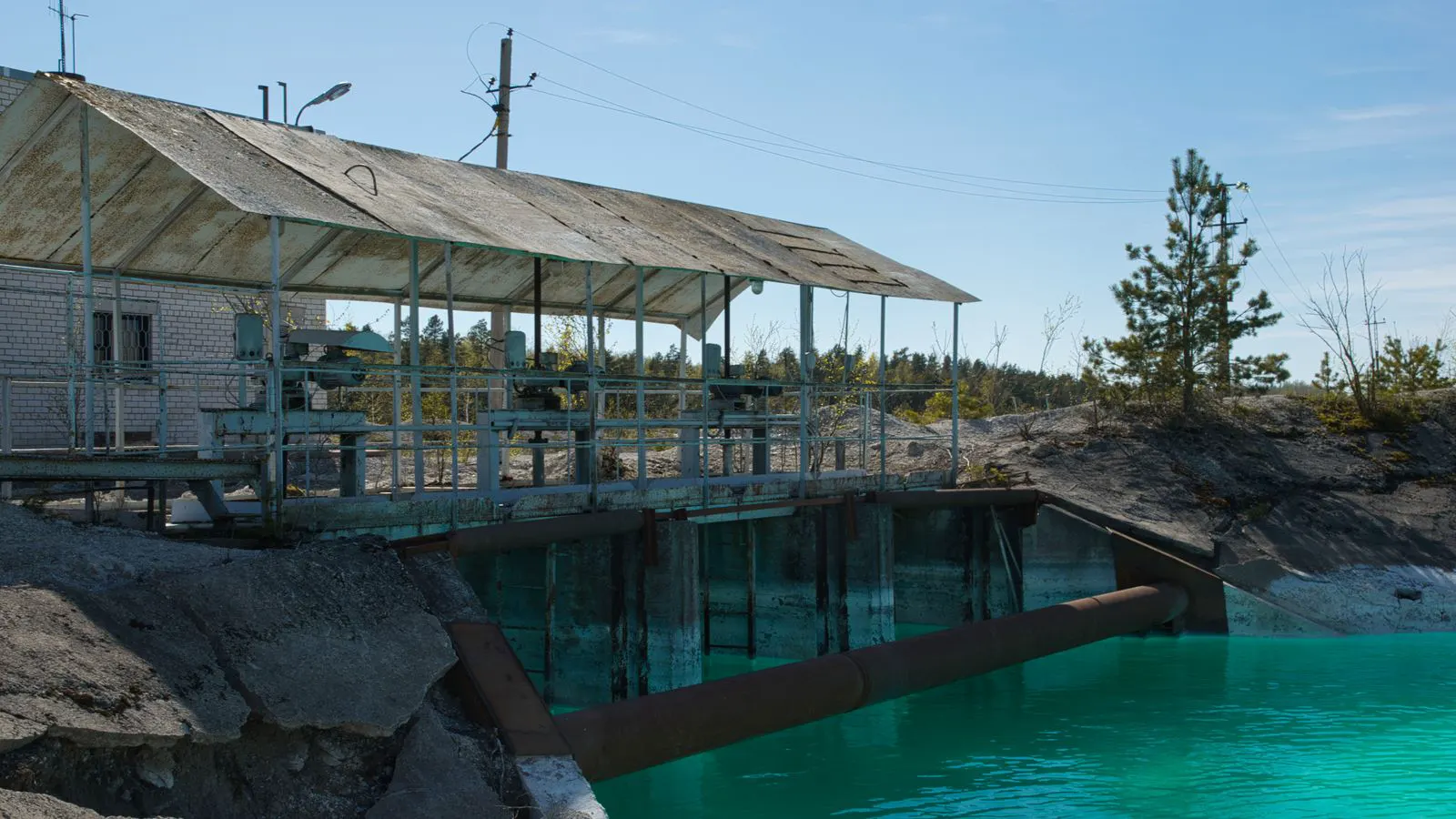
UV sterilization and chlorination differ in capital costs, energy use, and chemical handling. Lead times vary by system size and vendor capacity. Engineers should
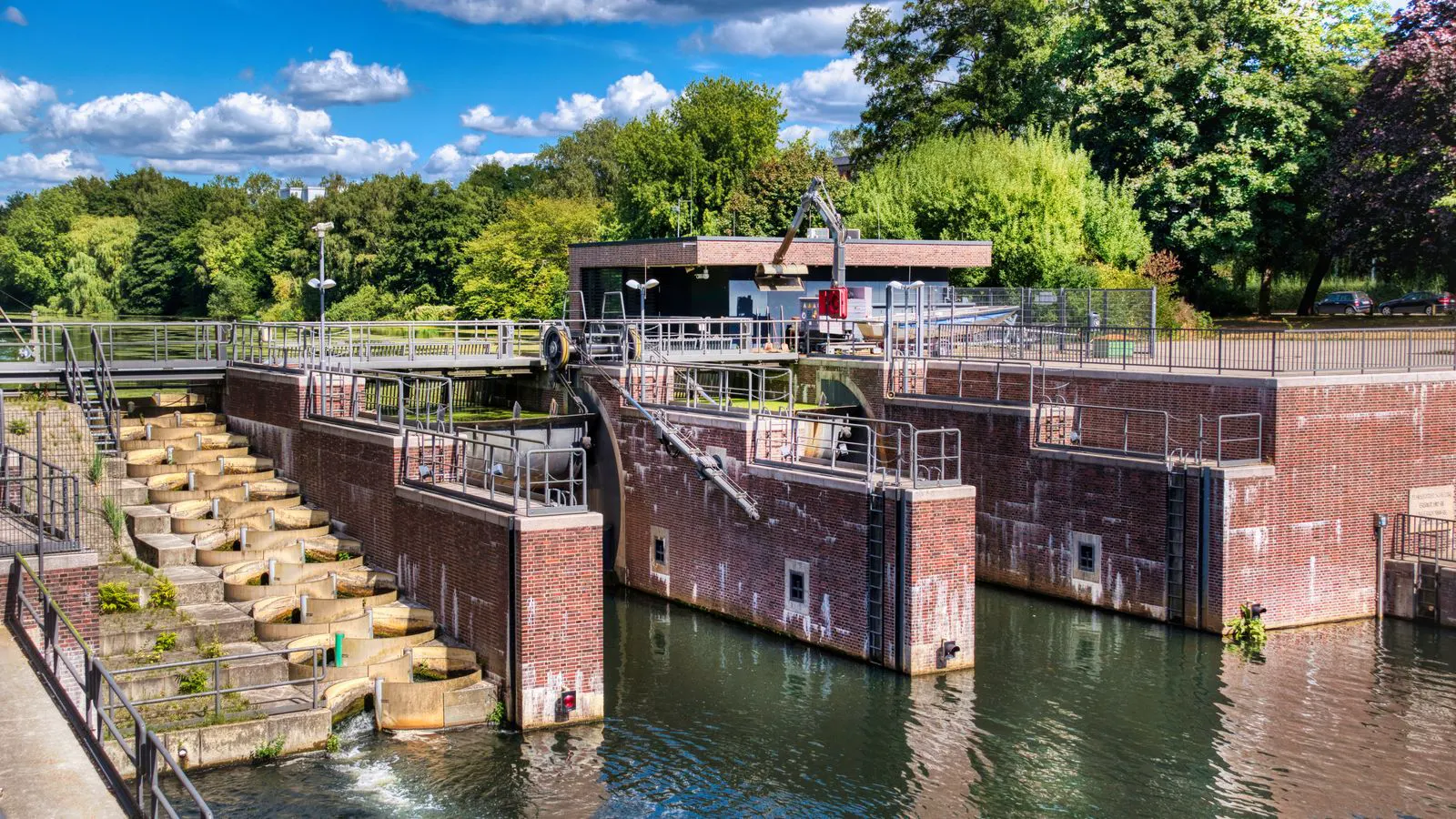
Selecting a municipal UV system requires matching lamp power to flow rate and water clarity. Buyers must evaluate reactor design, maintenance access, and chemical

Declining UV sterilization performance is usually caused by lamp aging, biofouling, or improper installation. Diagnose the issue using specific symptoms and fix it by