Sand vs. Anthracite Media: Choosing the Right Filter Bed
Sand and anthracite filter media differ in density, particle size, and filtration depth. Sand offers deep beds for suspended solids, while anthracite provides sharper top-down filtration. Choosing between them depends on the specific turbidity, particle size, and pressure drop constraints of your water treatment system.
- Sand provides a deep, high-capacity bed for removing suspended solids and turbidity.
- Anthracite offers high density and finer particle size for sharper filtration near the top of the bed.
- Filter media comparison should focus on particle size, density, and the specific contaminants in your water.
- Granular media selection must match the filter vessel design and expected backwash requirements.
Why Media Selection Matters
The choice of granular media is not a minor detail. It determines the depth of the filter bed, the pressure drop at end of run, and the volume of water captured between backwash cycles. A poorly matched media can lead to early breakthrough, excessive head loss, or a filter that requires too frequent cleaning.
Engineers and buyers often treat sand and anthracite as interchangeable. They are not. The physical differences between these two common granular media options create distinct performance profiles. The right choice depends on the water you are treating, the vessel you are using, and the maintenance window you can schedule.
Physical Differences Between the Two
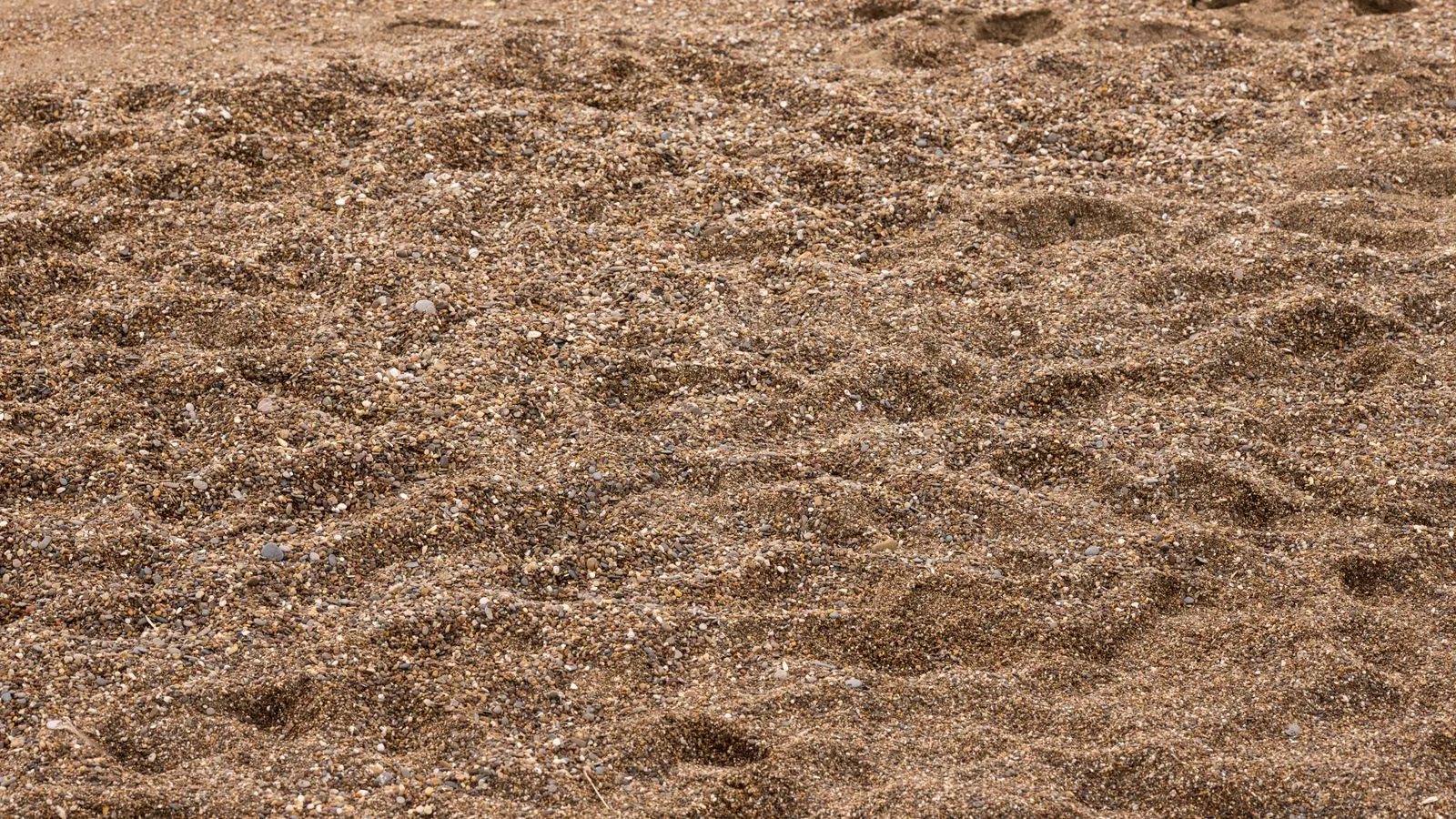
The primary physical difference between sand and anthracite is density. Sand is a natural mineral with a density close to 2.65 g/cm3. Anthracite is a carbonaceous rock with a density closer to 1.4 to 1.6 g/cm3. This difference in weight affects how the media settles in the vessel and how it behaves during backwash.
Particle size is the second major variable. Sand is typically graded in ranges such as 0.45 to 1.0 mm or 0.55 to 1.0 mm. Anthracite is often graded in ranges such as 0.3 to 0.6 mm or 0.4 to 0.8 mm. The finer size of anthracite allows it to capture smaller particles near the top of the bed. The coarser size of sand allows it to create a deeper gradient of particle sizes through the bed.
These physical traits create different filtration mechanisms. Sand acts as a depth filter. It traps particles in the deep bed below the surface. Anthracite acts more as a surface filter. It captures particles near the top of the bed. This distinction changes how the filter behaves during high flow and how long it can run before backwash is required.
Sand vs Anthracite Filter Comparison
The table below summarizes the core trade-offs between these two media options. Use it as a starting point for your filter media comparison, but always verify the specific particle size distribution and density of the supplier’s product.
| Option | Best for | Limitations |
|---|---|---|
| Sand | High turbidity, suspended solids, deep bed filtration | Higher head loss over time, less effective for very fine particles |
| Anthracite | Low to moderate turbidity, fine particle capture, high flow rates | Shallower effective bed, higher cost, less capacity for heavy loads |
| Sand/Anthracite Mix | Balanced performance, fine particle capture with good capacity | More complex grading, requires careful layering, higher cost |
| Crushed Garnet | High flow, low pressure drop, fine particle filtration | Higher cost, specialized supply, not always available |
| Synthetic Media | Consistent particle size, stable density, long service life | Higher initial cost, not always suited for high solids loads |
Sand is the default choice for many conventional filter beds. It has a deep bed and high capacity. It handles high turbidity well. It is widely available and inexpensive. The main drawback is that it creates a high pressure drop as the bed ages. This forces operators to backwash more frequently than they might like.
Anthracite is the choice when the goal is to capture fine particles near the surface. It has a lower density, which means it settles differently. It creates a tighter, more uniform layer near the top of the bed. This is useful for water that has low turbidity but contains small particles or colloids that sand might miss. The limitation is that the effective depth is smaller. It also costs more than sand.
When to Choose Sand
Choose sand when the water has high turbidity or visible suspended solids. If the inlet water contains a lot of dirt, silt, or organic matter, a sand bed provides the depth needed to capture those particles. The bed acts as a sponge. It captures particles deep down, keeping the top of the bed clean for longer.
Sand is also the better choice when you need a long service life between backwash cycles. The deep bed provides a large volume of capture media. This means the filter can handle more total solids load before the pressure drop becomes too high. For municipal water treatment, industrial cooling water, or agricultural irrigation, sand is often the standard choice.
The main reason to avoid sand is when you need to capture very fine particles. Sand is too coarse for that job. If your water contains small clay particles or micro-organisms that are smaller than the sand pores, sand will not capture them efficiently. In that case, you need a finer media.
When to Choose Anthracite
Choose anthracite when the water has low turbidity but contains fine particles. This is common in groundwater that has passed through natural strata but still contains small mineral dust or dissolved solids that precipitate. It is also common in industrial processes where the water is relatively clean but needs a final polish.
Anthracite is ideal for high flow rates. Because it captures particles near the top of the bed, it does not require a deep bed to function. This allows for higher flow rates without creating excessive pressure drop. It is also useful in filters with limited depth. If your vessel is shallow, anthracite will perform better than sand.
The main reason to avoid anthracite is when the water has high turbidity. The shallow effective depth of anthracite means it will clog quickly. It does not have the deep bed to capture heavy loads of suspended solids. If you use anthracite on dirty water, you will backwash constantly.
Selecting the Right Granular Media for Your System
Selecting the right granular media requires a clear understanding of the water quality. You need to know the turbidity, the particle size distribution, and the flow rate. You also need to know the vessel dimensions and the desired service life.
Start by testing the water. Measure the turbidity in NTU. If it is above 10 NTU, sand is likely a better choice. If it is below 5 NTU, anthracite or a mix may be better. You also need to know the particle size. If the particles are larger than 50 microns, sand will capture them. If they are smaller, you need anthracite or a finer media.
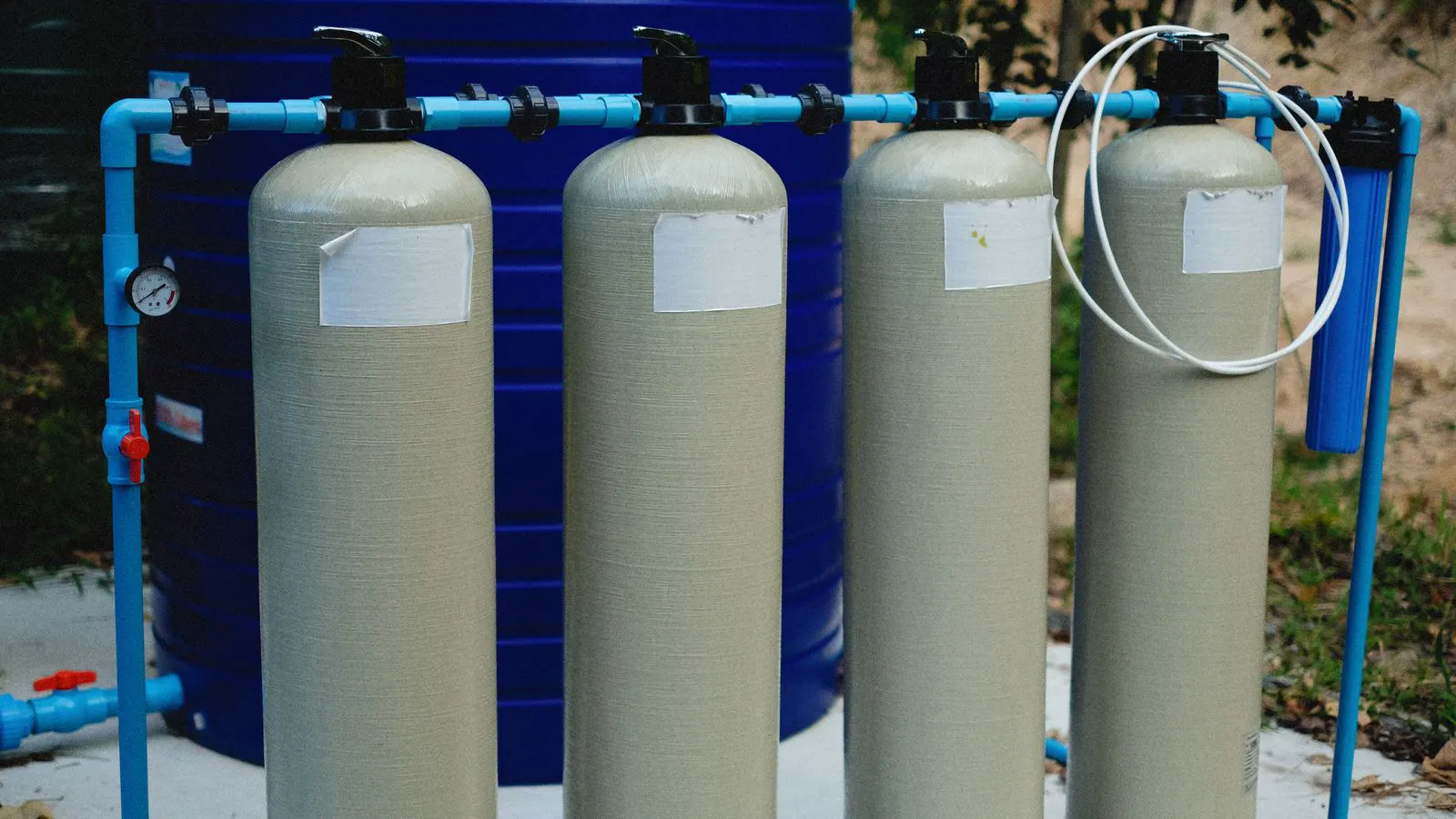
Next, look at the filter vessel. The depth of the bed matters. A deep vessel works well with sand. A shallow vessel works better with anthracite. The flow rate also matters. High flow rates require media that can handle the velocity without excessive pressure drop. Anthracite is better for high flow. Sand is better for low to moderate flow.
Finally, consider the backwash cycle. Sand requires more frequent backwash due to higher head loss. Anthracite requires less frequent backwash but has a higher initial cost. If your maintenance window is tight, you may want to use a mix of sand and anthracite. This gives you the depth of sand and the surface capture of anthracite.
Common Mistakes in Media Selection
The most common mistake is choosing media based on cost alone. Sand is cheap. Anthracite is expensive. But the total cost of ownership includes the cost of backwash water, energy, and maintenance labor. A cheap sand bed that requires daily backwash may cost more than an expensive anthracite bed that requires weekly backwash.
The second mistake is not matching the media to the water quality. Using anthracite on dirty water is a bad idea. It will clog and fail. Using sand on very clean water is a waste. It will not capture the fine particles that need removal. The media must match the water.
The third mistake is ignoring the vessel design. The shape of the vessel, the size of the inlet and outlet, and the depth of the bed all affect performance. A standard vertical vessel works well with sand. A horizontal vessel may work better with anthracite. You need to match the media to the vessel.
Final Thoughts on Sand and Anthracite
Sand and anthracite are both effective filtration media. They serve different purposes. Sand provides depth and capacity. Anthracite provides surface capture and high flow handling. There is no single best choice. The right choice depends on the water, the vessel, and the maintenance schedule.
If your water is dirty and you need a long service life, choose sand. If your water is clean and you need to capture fine particles, choose anthracite. If you need a balance of both, choose a mix. Always test the water and verify the physical properties of the media before making a final decision.
For more on sizing the vessel to match the flow rate, see the guide on sizing a media filter for a specific flow rate.
Frequently asked questions
Which media has a lower cost?
Sand is generally less expensive than anthracite. It is widely available and has a lower price per ton. However, the total cost of ownership should include backwash frequency and maintenance labor.
Can I use both media in the same filter?
Yes, a sand and anthracite mix is a common configuration. The anthracite is placed on top of the sand. This provides surface capture for fine particles and depth capture for suspended solids.
How do I know if my water is too dirty for anthracite?
If the turbidity is above 10 NTU, anthracite is likely not a good choice. It will clog quickly and require frequent backwash. Sand is better for high turbidity water.
What is the main difference in particle size?
Sand is typically coarser, with a size range of 0.45 to 1.0 mm. Anthracite is typically finer, with a size range of 0.3 to 0.6 mm. The finer size of anthracite allows it to capture smaller particles.
How often should I backwash the filter?
The backwash frequency depends on the water quality, the media, and the flow rate. Sand requires more frequent backwash than anthracite. Always monitor the pressure drop and backwash when it reaches a set threshold.