Buyer's Guide: Industrial Wastewater Treatment Equipment Selection

Buyers should select wastewater treatment equipment by matching process steps to effluent quality, flow, and site constraints. This guide covers equipment options, sizing criteria, and inspection points to ensure a reliable industrial wastewater treatment system.
- Match the treatment train to the specific contaminants and flow rates in your industrial wastewater stream.
- Verify that equipment sizing accounts for peak loads and future expansion, not just average daily flow.
- Prioritize materials of construction and maintenance access during equipment selection to reduce long-term downtime.
- Use a pre-commissioning checklist to confirm that each unit meets performance specifications before startup.
The decision to replace or upgrade industrial wastewater treatment equipment rarely starts with a single purchase order. It usually begins with a mismatch between the effluent stream and the installed hardware. Buyers often fixate on capital cost first, which leads to undersized systems or process mismatches that create operational headaches later. The goal is to select components that handle the specific chemistry, solids content, and volume of the waste water produced by your facility.
What defines the wastewater treatment process?
The core of any wastewater treatment selection is the process train. This sequence of units determines how contaminants are removed from the stream. Common industrial wastewater streams require combinations of physical, chemical, and biological steps.
Typical physical steps include screening, grit removal, and sedimentation. These units protect downstream equipment and reduce the load on biological systems. Bar screens catch large debris like rags, plastic, or food waste before it reaches pumps. Grit removal separates coarse inorganic particles, such as sand or coffee grounds, that would otherwise accumulate in settling tanks and abrade moving parts. Sedimentation relies on gravity to settle heavier solids. It is the first line of defense for the biological tanks that follow.
Chemical steps often involve coagulation and flocculation, where polymers or salts are dosed to bind suspended solids. Coagulants, such as ferric chloride or alum, destabilize colloidal particles, while flocculants grow those particles into larger flocs that are easier to remove. Dissolved air flotation is another common option for removing lighter solids. It works by attaching tiny air bubbles to particles, causing them to rise to the surface where skimmers remove them.
Biological treatment, such as activated sludge or membrane bioreactors, targets organic matter and nutrients. Bacteria break down carbon and nitrogen. The selection depends on the target discharge limits. If the effluent must meet strict standards for BOD, COD, or specific metals, the process train must be more complex. For example, a facility discharging to a municipal sewer may need only primary treatment. A plant discharging to a sensitive river may require tertiary polishing and advanced oxidation to remove trace organics and nutrients.
How do you size equipment for industrial wastewater?
Sizing is where many buyers make costly errors. Equipment must handle both average daily flow and peak flow. Industrial processes often create surges in wastewater volume, such as during startup, shutdown, or cleaning cycles. A chemical plant might generate a massive spike in flow when washing reactor vessels. A food processing plant sees a daily surge during the washdown of production lines.
When sizing a wastewater treatment system, engineers calculate the hydraulic loading rate for each unit. For a sedimentation tank, this means determining the surface area needed to settle solids at a specific rate. If the tank is too small, solids wash out with the effluent, overloading the biological stage. For a membrane bioreactor, the sizing focuses on the transmembrane flux and the number of modules required. The flux is the volume of water passing through the membrane per unit area per unit time.
Peak flow is often 1.5 to 2 times the average daily flow. Ignoring this factor leads to overflow events and poor treatment performance. Buyers should request hydraulic design calculations from the vendor. These documents should show the flow rates, head losses, and residence times for every unit in the train. Head loss is the energy lost as water moves through pipes and equipment. If the pumps cannot overcome the total head loss, the system will not operate at design capacity.
Which equipment options fit different effluent profiles?
Different contaminants require different equipment. Here is a breakdown of common options and their typical applications.
| Equipment Type | Best For | Key Selection Criteria |
|---|---|---|
| Primary Screens and Bar Screens | Removing large solids | Material, gap size, cleaning frequency |
| Coagulation-Flocculation | Removing fine suspended solids | Chemical dosing accuracy, mixing energy |
| Dissolved Air Flotation | Removing light-density solids | Bubble size, skimmer design, air source |
| Activated Sludge Tanks | Biological treatment of organics | Aeration power, sludge age, mixing |
| Membrane Bioreactors | High-quality effluent, compact space | Membrane type, pressure, cleaning cycle |
| Neutralization Tanks | pH adjustment, chemical removal | Material compatibility, dosing controls |
Coagulation and flocculation work well for removing colloidal solids. Dissolved air flotation is often preferred for wastewater where solids are lighter than water, such as in some food processing or textile applications. Membrane bioreactors produce a clearer effluent than conventional activated sludge but require more frequent cleaning and maintenance. The membranes act as a physical barrier, trapping suspended solids and bacteria. This results in very low turbidity effluent. However, the membranes foul over time, reducing flow and requiring chemical cleaning or physical scrubbing.
What materials and construction matter most?
Corrosion is a constant threat in wastewater environments. The pH, temperature, and chemical composition of the effluent dictate the materials of construction. Carbon steel is common for structural parts but requires coating or cathodic protection in wet areas. Concrete is standard for large tanks but must be sealed if the effluent is highly acidic or alkaline. Stainless steel is used in dosing pumps and fine components where corrosion resistance is critical.
Buyers should specify materials for all wetted parts. Ask the vendor for a material compatibility chart. For example, if the effluent contains chlorides, standard stainless steel may corrode. You may need higher alloy grades or alternative materials like titanium or certain plastics. A small leak in a dosing pump can ruin a sensitive dosing system. A corroded tank wall can lead to structural failure.
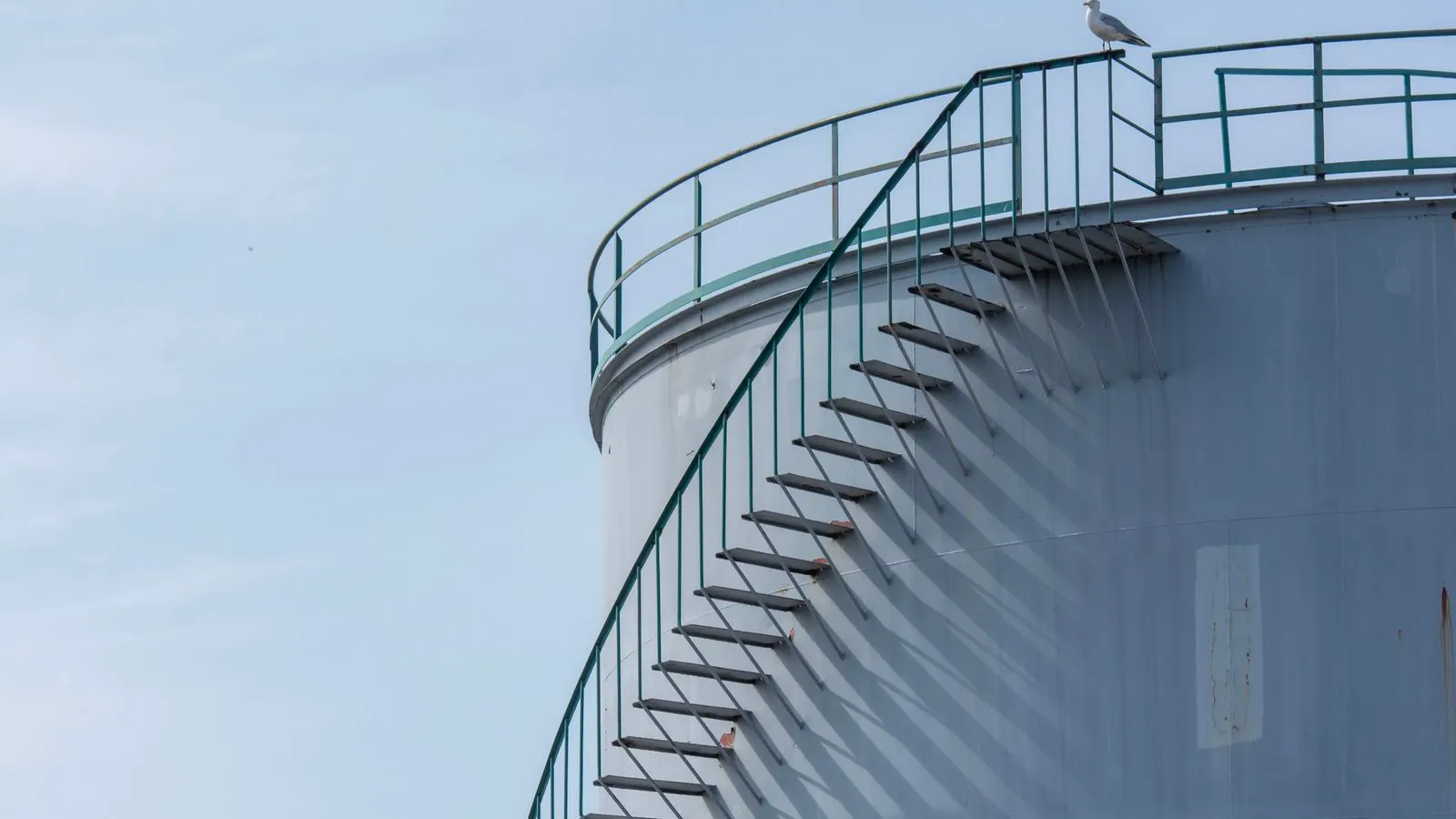
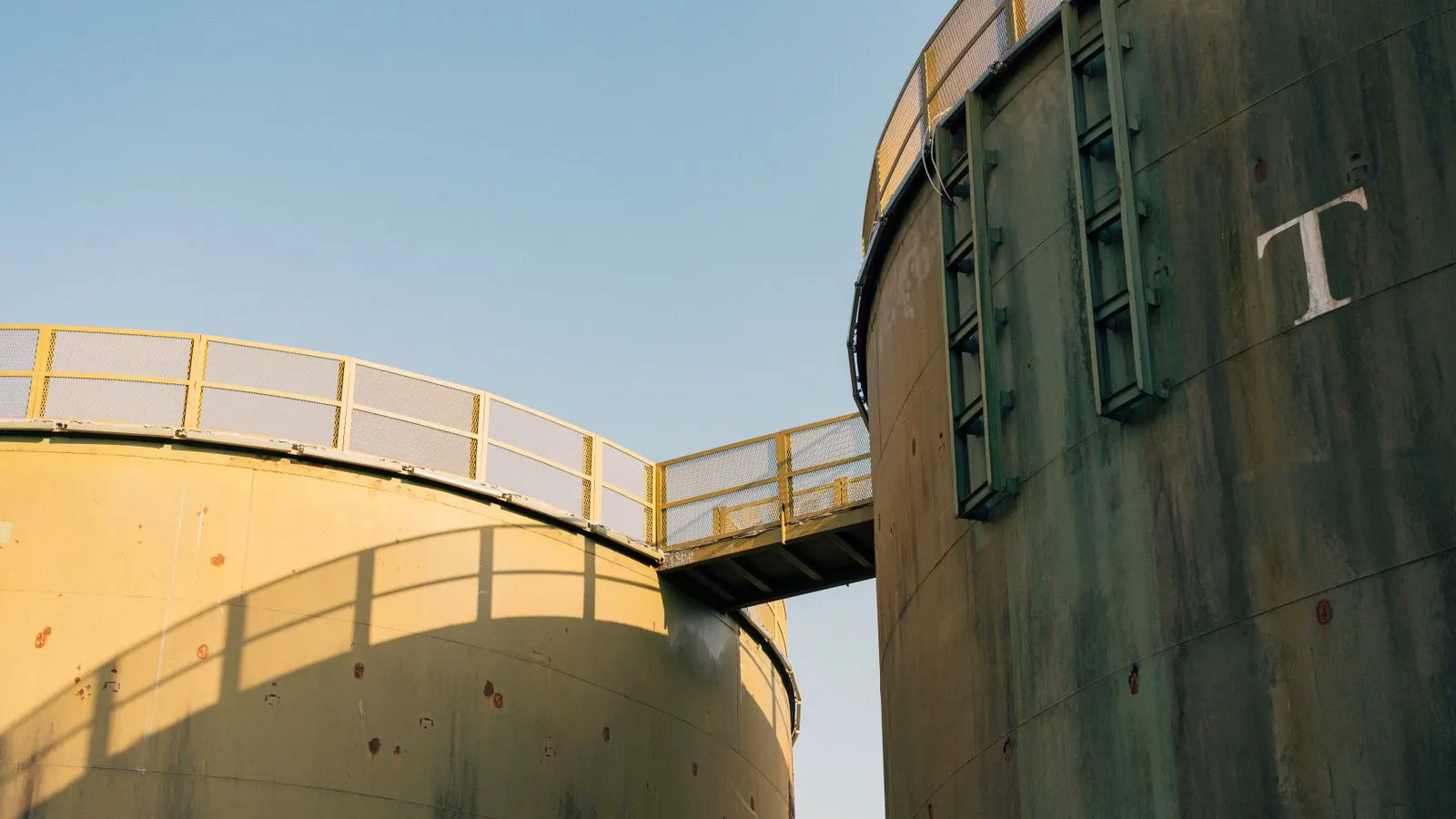
Maintenance access is another construction factor. Can technicians reach the internals of the tank? Are there ladders, walkways, and safe entry points? Equipment that is difficult to maintain will incur higher labor costs and longer downtime during repairs. Consider the weight of the equipment when it is being inspected. If a technician cannot safely stand on a platform to inspect the baffles in a settling tank, the design is flawed.
How do you evaluate the controls and instrumentation?
Modern wastewater plants rely on automated controls to maintain stable performance. The instrumentation package should include flow meters, pH sensors, dissolved oxygen probes, and turbidity analyzers.
Flow meters are critical for dosing control. If the flow meter is inaccurate, chemical dosing will be off, leading to waste or poor treatment. Buyers should specify the accuracy class and the type of meter. A magnetic flow meter is robust and handles conductive fluids well. A turbine meter may be more accurate for clean water but can clog with solids. Turbidity analyzers provide a fast check on effluent quality, while lab testing remains the gold standard for compliance.
The control system should allow for both automatic and manual operation. It should also log data for regulatory reporting. Look for systems that can send alerts when parameters go out of range. For instance, if the dissolved oxygen level drops too low in a biological tank, the system should alarm the operator immediately. Low dissolved oxygen can cause anaerobic conditions, producing foul odors and killing nitrifying bacteria.
What are the common selection mistakes to avoid?
Many industrial wastewater projects fail because of poor initial selection. Here are the most frequent errors.
- Underestimating peak flow. This causes overflow and bypasses the treatment train.
- Ignoring future expansion. If the plant will grow, the equipment should be able to handle higher loads.
- Choosing materials without checking compatibility. This leads to corrosion and leaks.
- Skipping the pre-commissioning inspection. Small defects found after startup are expensive to fix.
- Overlooking sludge handling. A well-designed treatment plant still produces sludge. Dewatering and disposal must be part of the plan.
Sludge management is often an afterthought. If the dewatering equipment is undersized, the sludge will accumulate, and the plant will not meet its discharge limits. Integrate sludge handling into the main design early. A centrifugal filter press is common for dewatering. It presses water out of the sludge cake. If the feed rate to the press is too high, the cake remains wet and difficult to handle.
When is it time to upgrade or replace equipment?
Equipment performance degrades over time. Membranes foul. Pumps wear. Sensors drift. A regular inspection schedule helps identify issues before they become failures.
Look for signs of declining performance. If the effluent turbidity is rising but the chemical dosing is unchanged, the flocculation system may be failing. If the dissolved oxygen level is lower than expected, the aeration system may be clogged or the blower may be worn. Keep records of maintenance and performance data. This history helps in troubleshooting and in negotiating replacement parts. When replacing equipment, consider the life cycle cost, not just the purchase price. A slightly more expensive unit with a longer life and lower maintenance cost may be the better choice.
A buyer’s decision checklist
Before signing a contract, run through this checklist to ensure your wastewater treatment selection is sound.
- Effluent profile confirmed: Flow, pH, temperature, and contaminant levels are documented.
- Process train selected: The sequence of units matches the effluent characteristics and discharge limits.
- Hydraulic sizing verified: Calculations for average and peak flow are provided by the vendor.
- Materials approved: A material compatibility chart is reviewed for all wetted parts.
- Controls specified: Instrumentation and automation meet operational and reporting needs.
- Pre-commissioning plan ready: Inspection items for each unit are listed and agreed upon.
- Sludge plan in place: Dewatering and disposal methods are defined.
By following these steps, buyers can select wastewater treatment equipment that performs reliably and meets regulatory requirements. The focus should be on fit, functionality, and long-term operability, not just initial cost.
Frequently asked questions
What is the main difference between primary and secondary wastewater treatment?
Primary treatment removes large solids and fats using screens and sedimentation. Secondary treatment, usually biological, breaks down dissolved organic matter and nutrients.
How do I know if my effluent needs chemical treatment?
Chemical treatment, such as coagulation, is needed when physical settling is insufficient to remove fine or colloidal solids. Lab testing of the effluent will reveal the need.
Can I use the same equipment for different industrial processes?
Not always. Different processes produce different contaminants. A single equipment selection must be tailored to the specific chemistry of the wastewater stream.
What is the role of dissolved air flotation?
Dissolved air flotation attaches fine solids to air bubbles, allowing them to float to the surface for skimming. It is effective for light-density solids.
How often should I inspect my wastewater treatment equipment?
Regular inspections are required. Daily checks on flow and pH, weekly checks on equipment condition, and annual maintenance on critical components are standard practice.