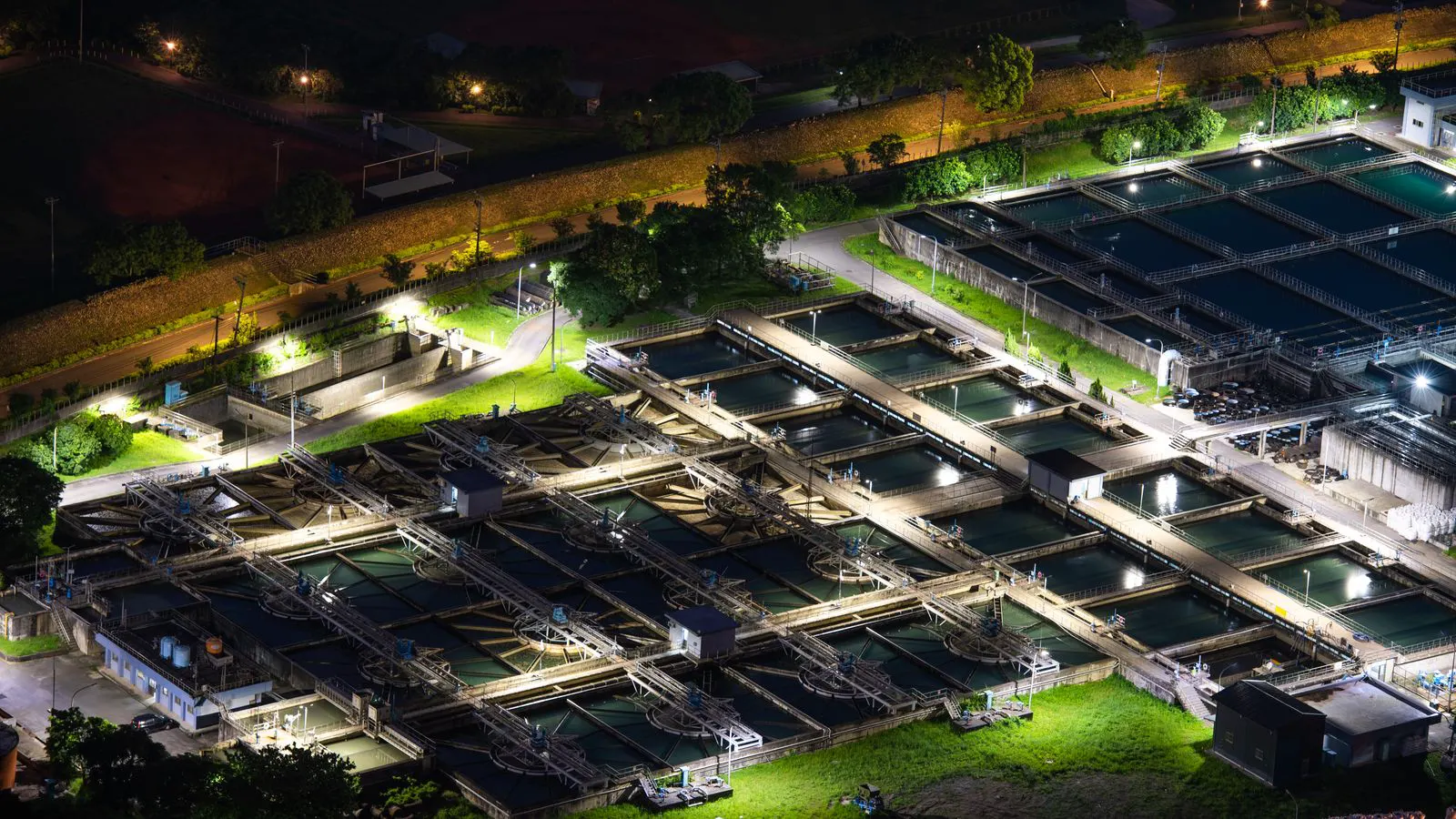
Pre-Treatment System Startup Checklist for New RO Plants
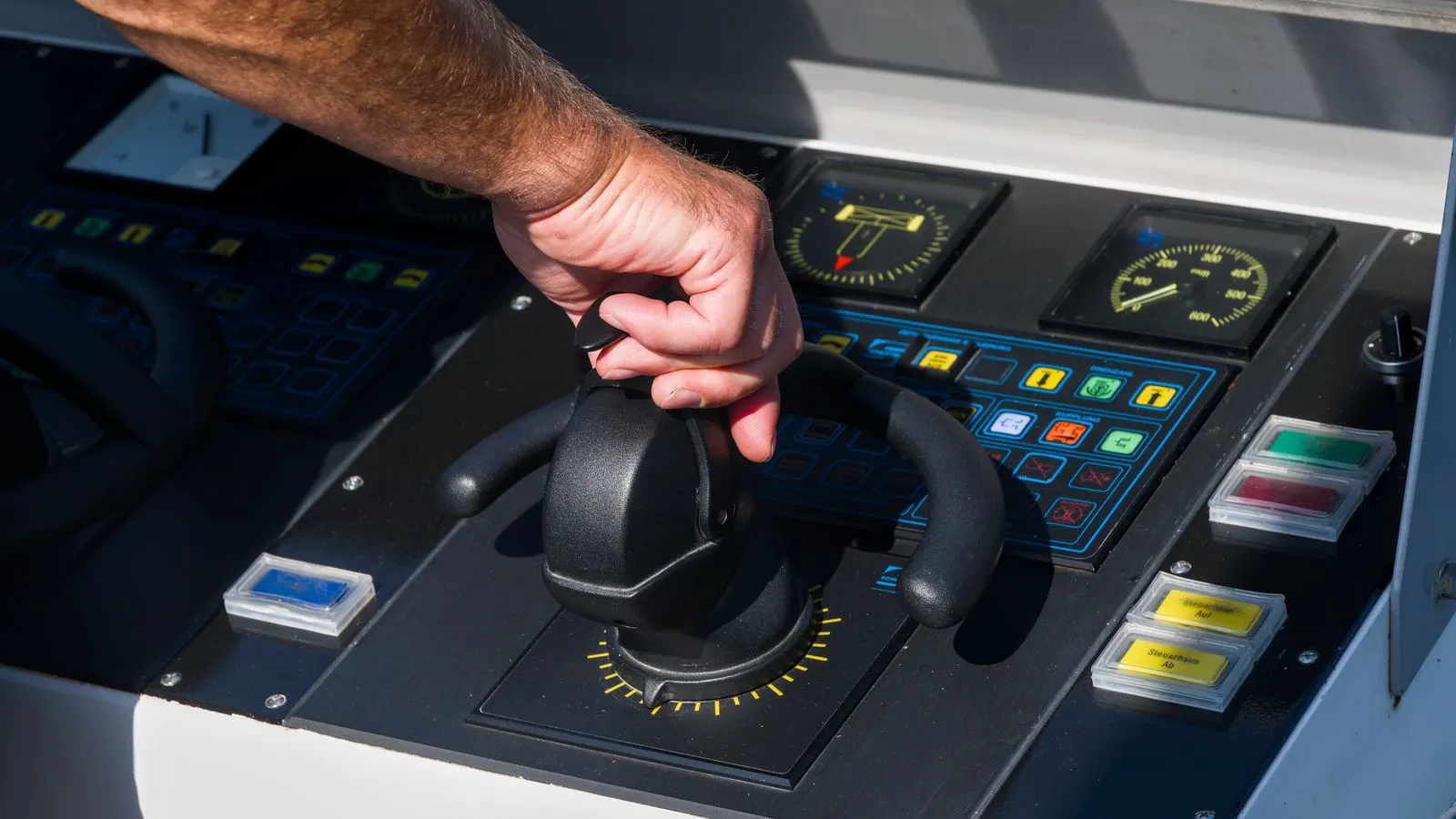
This RO plant startup checklist covers pre-treatment validation and equipment commissioning. It lists specific checks for filtration, chemical dosing, and hydraulic systems. Follow the audit to prevent membrane damage and ensure stable permeate quality before startup.
- Verify pre-treatment filtration stages to protect membranes from particulate and biological damage.
- Confirm chemical dosing systems are calibrated and alarms are functional.
- Flush and prime all piping to remove air and debris before pressurizing the membrane section.
- Record baseline parameters to establish performance benchmarks for future troubleshooting.
Starting a new reverse osmosis (RO) plant requires more than turning on a pump. The membrane system is the most sensitive part of the unit. It suffers from particulate fouling, biological growth, and chemical scaling if upstream conditions are wrong. A missing step in pre-treatment validation can cause irreversible damage to the membrane elements. This guide provides a structured RO plant startup checklist for engineers and operators. It is grouped by system theme. Use it to audit your site before the first full pressure cycle.
Verify Pre-Treatment Filtration Integrity
The first line of defense for the RO membrane is the pre-treatment train. This usually includes cartridge filters, media filters, and sometimes a softener or antiscalant dosing point. Before connecting the RO skid, you must confirm the upstream systems are clean, dry, and free of debris.
- Check filter housings for physical damage. Look for cracks in the gaskets or warped lids. Replace any housing that shows signs of stress.
- Inspect the filter media. Replace filters with fresh media if they are new. If reusing media, ensure it has been properly washed and dried.
- Perform a differential pressure (DP) check. Run water through the pre-treatment train without the RO unit connected. The DP should be within the manufacturer’s specified range. A high DP indicates clogging or improper installation.
- Verify the backwash cycle for media filters. Confirm the sequence is correct and the timing is set. A failed backwash cycle leads to rapid fouling and high energy consumption.
- Check the cartridge filter housings. Ensure the cartridges are seated correctly and the O-rings are lubricated. Leaking housings introduce air into the system, which damages the membranes.
Red flag: If the pre-treatment DP is high at startup, stop. Do not pressurize the RO system. High DP indicates debris in the line or a blocked filter. Forcing pressure through a clogged pre-treatment stage concentrates solids on the membrane surface.
Validate Chemical Dosing and pH Control
Chemical treatment is critical for controlling scaling and managing the pH of the feed water. The RO membrane has a narrow pH window. Operating outside this range can degrade the polyamide material or cause scaling. The dosing system must be accurate and reliable.
- Prime the chemical feed pumps. Fill the reservoirs with the correct chemicals: antiscalant, acid, and alkaline cleaner.
- Calibrate the pH meter. Use a buffer solution of known pH. Verify the reading matches the standard. A drift in pH control is a common cause of membrane failure.
- Test the flow control valves. Open and close the valves manually if possible. Confirm the diaphragm pumps are pulsing at the correct rate.
- Verify the chemical inventory. Ensure there is enough antiscalant and cleaning solution for the first few months of operation.
- Check the alarm settings. Configure high-pH, low-pH, and low-chemical-level alarms. Test each alarm to ensure the operator is notified.
Red flag: If the pH meter reads differently after recalibration, replace the electrode. An inaccurate pH reading leads to incorrect dosing. This can cause scaling on the membrane or damage to the polymer.
Confirm Hydraulic System and Piping
The hydraulic system moves the feed water to the membranes and the permeate to the recovery tank. Air in the lines is a major enemy of the RO system. Air bubbles can damage the high-pressure pumps and cause membrane stress.
- Flush all piping. Run clean water through every line, including the RO feed line, permeate line, and concentrate line.
- Check for leaks. Inspect every flange, coupling, and fitting. A leak in the high-pressure section can cause pump cavitation and system downtime.
- Verify the strainer. Remove the inlet strainer from the feed pump. Inspect it for debris. A clogged strainer restricts flow and causes the pump to run dry.
- Prime the high-pressure pumps. Fill the pump casing with water. Ensure the suction line is filled before starting the motor.
- Check the safety valves. Confirm the pressure relief valves are set to the correct maximum operating pressure. Do not exceed the membrane manufacturer’s rating.
Red flag: If the high-pressure pump makes a grinding noise or vibrates excessively, stop immediately. This indicates cavitation or a mechanical fault. Running a cavitated pump can destroy the impeller.
Establish Baseline Parameters
Before the first full production cycle, you need to record the baseline performance. This data helps you identify trends and spot problems early. It also serves as a reference for warranty claims if the system underperforms.
- Record feed water quality. Measure conductivity, pH, turbidity, TDS, and temperature.
- Set the RO system to the recommended recovery rate. Start low and adjust as needed.
- Record permeate quality. Measure the permeate TDS and conductivity. This gives you the initial rejection rate.
- Record pressure. Note the feed pressure, permeate pressure, and concentrate pressure.
- Save the data. Store the readings in a logbook or a central data system. Use this data to track performance over time.
Red flag: If the permeate TDS is higher than expected, check the membrane. It may be defective or contaminated. If the feed pressure is high but the permeate flow is low, check for fouling or a clogged filter.
Final Safety and Operational Checks
Safety is the top priority. A RO plant involves high pressure, chemicals, and electrical equipment. A final safety audit prevents accidents and ensures compliance.
- Check the emergency stop. Test the E-stop button. It should cut power to the pumps immediately.
- Verify the lockout/tagout (LOTO) procedure. Ensure all personnel know how to isolate the system for maintenance.
- Inspect the chemical storage area. Confirm the containers are labeled and the area is ventilated.
- Check the electrical panel. Look for loose connections or signs of overheating.
- Review the operating manual. Brief the operators on the startup and shutdown sequence.
Red flag: If the E-stop does not work, do not start the plant. A non-functional E-stop is a serious safety hazard. Fix the issue before proceeding.
Post-Startup Monitoring
After the initial startup, monitor the system closely. The first few weeks are critical for identifying any issues that may not be visible during the initial checks.
- Monitor the pressure drop. A rising DP indicates fouling.
- Check the permeate quality. A drop in rejection rate indicates membrane damage or fouling.
- Review the chemical dosing. Adjust the setpoints as needed to maintain optimal pH and scaling control.
- Inspect the filters. Replace cartridge filters regularly. Backwash media filters as scheduled.
- Keep the logbook. Record all parameters and any changes made to the system.
This RO plant startup checklist is a living document. Update it as you learn about your specific system. It will help you protect your investment and ensure reliable water production.
Frequently asked questions
What is the most common cause of membrane damage during startup?
Particulate fouling from inadequate pre-treatment filtration is the most common cause. Debris bypasses the filters and deposits on the membrane surface.
How often should I calibrate the pH meter?
Calibrate the pH meter at least weekly. Use buffer solutions of known pH to ensure accuracy.
What should I do if the high-pressure pump cavitates?
Stop the pump immediately. Check the suction line for air or debris. Ensure the strainer is clean and the pump is properly primed.
Can I start the RO system without running the pre-treatment train?
No. Always run the pre-treatment train first. It removes particles and bacteria that can damage the membrane.
What is the recommended recovery rate for a new RO plant?
Start with a conservative recovery rate, typically 40 to 50 percent. Adjust based on feed water quality and performance.