RO System Startup Compliance Checklist
Confirm your RO startup checklist covers feed water testing, chemical compatibility, local discharge rules, and operator training. A complete audit prevents permit violations and protects downstream water quality before the system goes online.
- Verify feed water quality and chemical compatibility before the first pressurized cycle.
- Confirm local discharge rules and membrane material restrictions.
- Document baseline sampling and operator training as part of the audit.
- Keep the checklist accessible for maintenance staff and inspectors.
Why pre-commissioning checks prevent costly shutdowns
A new reverse osmosis plant rarely fails because of the membrane itself. It fails because the startup team skipped a paper check that should have been done while the system was still in the factory. The checklist below maps the compliance steps that separate a clean commissioning from a month of rework.
The core idea is simple. Before the pumps pressurize the system, the operator must prove that the water, the chemicals, the materials, and the paperwork all match the local and industry requirements. If one item is missing, the system may still run, but it is not legally or technically ready for service.
This guide is written for engineers and procurement managers who must sign off on the startup. It assumes the system is installed but not yet connected to the production feed. The goal is to build a record that shows due diligence.
Water quality and sampling requirements
The first section of the RO startup checklist is the baseline water profile. Do not rely on the supplier’s lab report alone. Take samples from the same tap or well the system will use.
Record the major parameters:
- Total dissolved solids
- Conductivity
- pH
- Total hardness
- Free chlorine
- Turbidity
- Iron
- Tannins
- Bacterial count
These values determine whether the system can operate at the design flow. If the feed contains high levels of iron or tannins, the RO feed may foul within hours. The startup plan must include a pretreatment adjustment before the membrane sees that water.
The documentation must show the date, the sampling point, and the person who collected the sample. If the feed is municipal water, pull the annual water quality report from the supplier. If the feed is groundwater, pull the most recent well test. If the feed is industrial effluent, pull the process owner’s quality log.
A common red flag is a mismatch between the design water and the actual feed. The design sheet may list a TDS of 500 ppm. The startup sample shows 1,200 ppm. The system will still run, but the recovery rate must be lowered. If the team does not adjust the controls, the membrane will foul and the flow will drop.
Chemical compatibility and material review
The second group of items covers the chemicals that will touch the membrane and the piping. This is where many compliance audits go wrong. The team assumes the chemicals are safe because they are used in other parts of the plant.
Check the manufacturer’s chemical compatibility list for every substance that will enter the RO train. This includes antiscalants, oxidants, cleaning agents, and pH adjusters. Do not just check the chemical name. Check the concentration, the temperature, and the contact time.
For example, an oxidant that is safe at low concentrations for a short flush period may damage the membrane if left in the system for hours. The startup procedure must define the exact dose and the maximum contact time.
Material compatibility is the other half of this check. The piping, the gaskets, the seals, and the fittings must be compatible with the feed water and the chemicals. A new gasket that is fine for clean water may swell when exposed to an antiscalant. The first leak may appear weeks after startup, not during the initial test.
The audit should include a material list that matches the purchased components. If the supplier installed a different gasket than the one on the drawing, the checklist must note that change and confirm compatibility.
Regulatory and discharge compliance
The third section is the regulatory check. Water treatment equipment must comply with local discharge rules, even if the water is not sold. In many jurisdictions, the concentrate stream is treated as an industrial discharge.
Before the first discharge, verify the following:
- The discharge point is approved.
- The flow rate is within the permitted limit.
- The salinity is within the permitted limit.
- The temperature is within the permitted limit.
- The pH is within the permitted limit.
The startup procedure must include a small volume test before the full flow. Many facilities are required to show that the discharge does not exceed a certain salinity level. If the RO system recovers too much water, the concentrate stream becomes more concentrated. The startup team must adjust the recovery rate to match the discharge permit.
A red flag is a discharge line that is connected to a storm drain. In many areas, this is a violation. The concentrate must go to a sanitary sewer or a designated industrial discharge point. If the site plan shows the line going to a storm drain, stop the startup and correct the routing before the first run.
Quality assurance and operator readiness
The fourth group of items is the quality assurance check. This is not just about the water. It is about the people who will run the system.
The startup checklist must include a training record. The operator must know how to start the system, how to clean the membrane, how to change the filters, and how to respond to a high salinity alarm. The training should be documented with names, dates, and signatures.
The quality assurance plan should define the sampling frequency. How often will the operator test the feed? How often will they test the permeate? How often will they test the concentrate? The plan must match the local regulatory requirements and the internal quality targets.
For example, a facility that supplies drinking water may need to test the permeate for bacteria every 24 hours. A facility that supplies process water may test the permeate for conductivity every hour. The startup checklist must confirm that the testing schedule is in place and that the lab can handle the samples.
A common mistake is to have the plan on paper but no equipment for the test. If the operator does not have a calibrated conductivity meter, the test cannot be done. The checklist should include a calibration certificate for every instrument that will be used.
Documentation and record keeping
The fifth section is the documentation check. A compliance audit is not complete without a clear record of what was done. The startup checklist should be a living document that is signed by each responsible party.
The following documents must be filed before the system is declared ready:
- The baseline water quality report
- The chemical compatibility matrix
- The regulatory discharge permit
- The operator training log
- The equipment calibration certificates
- The as-built drawings
- The manufacturer’s warranty
Each document should have a date and a signature. If a document is missing, the system is not ready. This is not a bureaucratic exercise. It is a protection. If a discharge violation occurs, the facility must show that it followed the correct startup procedure.
A red flag is a single document that covers everything. The startup should be broken into small, verifiable steps. If the team cannot produce the chemical compatibility matrix for the antiscalant, the audit fails. If the team cannot produce the calibration certificate for the pH meter, the audit fails.
Red flags that signal a delayed startup
The final section lists the red flags that should stop the startup. These are not minor issues. They are the problems that cause long delays.
The first red flag is a feed water sample that does not match the design. If the TDS is higher than expected, the recovery rate must be adjusted. If the iron is higher than expected, the pretreatment must be upgraded. Do not run the system at full flow until the feed is confirmed.
The second red flag is a discharge line that goes to the wrong place. If the line goes to a storm drain, stop the startup. Fix the routing. Do not assume the city will not notice.
The third red flag is a missing chemical compatibility list. If the team does not have the list for the oxidant, do not use the oxidant. Find the list. Confirm the concentration. Then proceed.
The fourth red flag is an untrained operator. If the operator has not been trained on the startup sequence, do not run the system. Train the operator. Document the training. Then proceed.
The fifth red flag is a missing calibration certificate. If the pH meter has not been calibrated, do not use it. Calibrate it. Record the calibration. Then proceed.
These red flags are not meant to be alarmist. They are meant to be practical. A startup that skips these steps will face problems later. A startup that completes them will run cleanly and legally.
| Check Item | What to Verify | Red Flag |
|---|---|---|
| Feed Water | TDS, pH, hardness, chlorine | Mismatch with design profile |
| Chemicals | Concentration, contact time, material | No compatibility list |
| Discharge | Flow, salinity, pH, location | Storm drain connection |
| Training | Operator skills, documentation | No signed training log |
| Calibration | Instrument dates, certificates | Expired calibration |
| Documentation | As-built drawings, permits | Missing permit |
Final verification steps
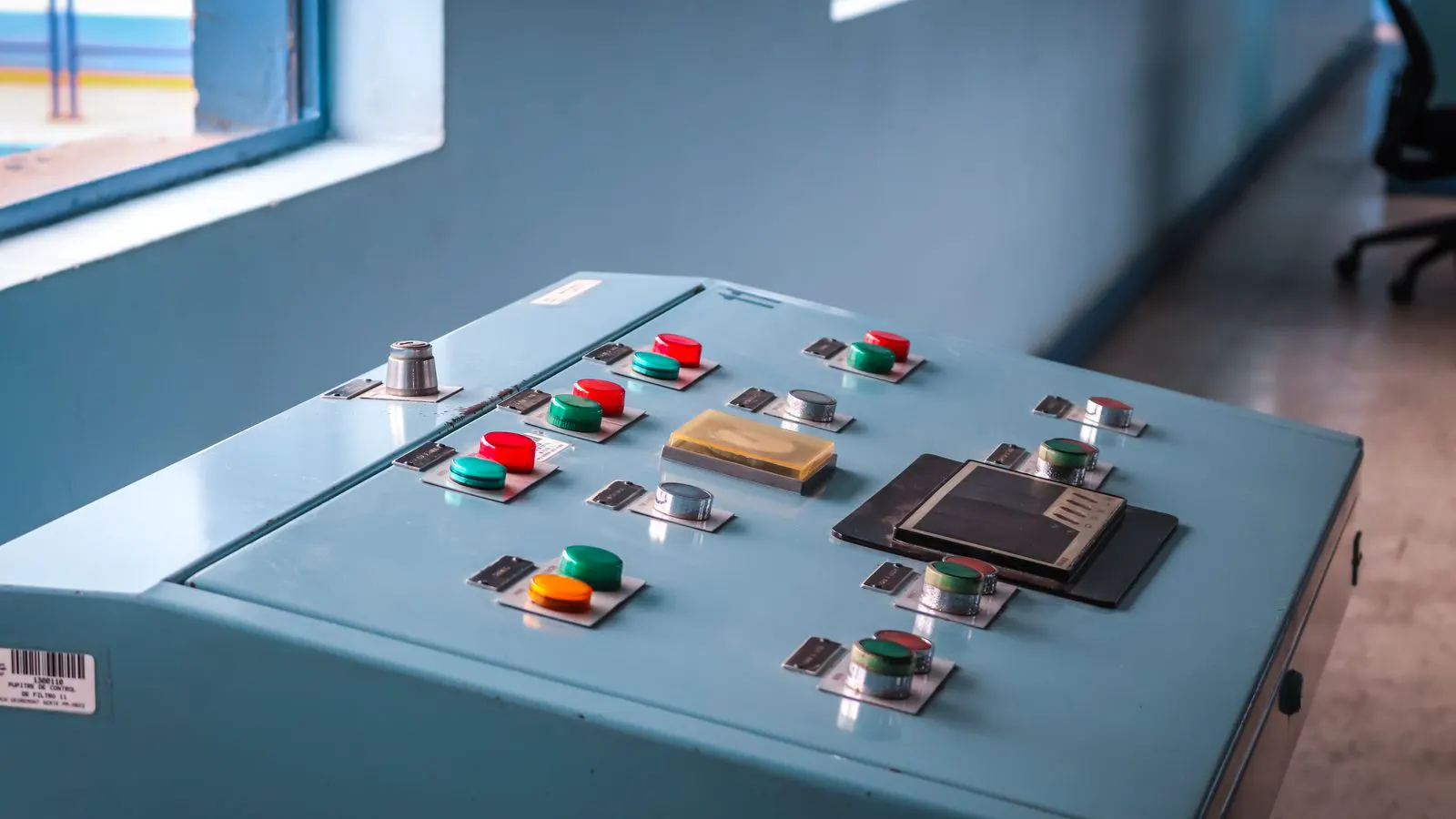
The last step is a final walk-through. The engineer and the operator stand at the control panel. They review the checklist one last time. They confirm that every item is checked and signed. They confirm that the system is ready for the first pressurized cycle.
This is not a formality. It is the moment when the team takes responsibility for the startup. If the checklist is complete, the system is ready. If the checklist is incomplete, the system is not ready.
The RO startup checklist is a tool. It is not a substitute for judgment. But it gives the team a clear path to a safe and compliant commissioning. Use it. Sign it. File it. Then start the system.
Frequently asked questions
Can I skip the baseline water sample if the feed is municipal water?
No. Even municipal water can change seasonally. The startup team must take a sample from the exact point where the system will receive the water. The municipal report is useful, but it does not replace a site-specific sample.
How often should I calibrate the instruments before startup?
Calibrate every instrument before the first test. Keep the calibration certificate with the startup documents. If an instrument is used for a compliance test, the calibration must be current.
What if the discharge permit limits the flow rate?
Adjust the recovery rate to match the permit. If the design recovery is too high, reduce it. Document the change. The startup procedure must reflect the permitted flow rate.
Do I need to train the operator before the first run?
Yes. The operator must know how to start, stop, and clean the system. The training must be documented. If the operator has not been trained, do not run the system.
Where should I keep the startup checklist?
Keep the signed checklist in the facility records. Keep a copy at the control panel. If an inspector visits, the checklist should be easy to find. It is part of the compliance record.