Trends in Modular Water Treatment Equipment Design
Modular water treatment trends show a shift toward smaller footprint units, digital integration, and standardized interfaces. Buyers should prepare by prioritizing vendor documentation, verifying containerized treatment unit compatibility, and testing future water tech features early.
- Shift from large fixed plants to smaller, skid-mounted modules with standardized connection points.
- Digital integration is becoming standard, requiring suppliers to provide data protocols and maintenance logs.
- Containerized treatment units are changing logistics and site preparation requirements.
- Prepare procurement documents to specify data access, spare parts availability, and remote support terms.
- Evaluate suppliers on their ability to handle retrofit scenarios and future water tech upgrades.
The shift to smaller footprint units
Modular water treatment trends are moving equipment closer to the point of use. Large fixed plants once dominated industrial and municipal projects. Now, many buyers specify skid-mounted modules or containerized treatment units that fit within existing plant boundaries.
This shift happens for several practical reasons. Site space is limited. Construction timelines are shorter. Utility connections often need to be relocated. A modular unit can be delivered, connected, and brought online in a fraction of the time required for a permanent structure.
For procurement, this changes the design conversation. You are no longer buying a building. You are buying a package. The supplier must handle internal layout, hydraulic balancing, and electrical load. The buyer still controls external requirements like power supply, water feed pressure, and drainage.
The physical form of the unit matters. A skid-mounted unit may sit directly on a concrete pad. A containerized unit may require a lift, crane, or specialized transport. Check the weight and dimensions before specifying. A unit that fits the budget but not the site access route creates a major delay.
Standardization of interfaces and connections
One of the clearest modular water treatment trends is the move toward standard physical and digital interfaces. Early modular units had proprietary fittings, non-standard electrical panels, and custom control logic. That approach made integration difficult.
Current design standards push toward common connection points. Flanged connections, standardized valve sizes, and modular electrical busbars are becoming common. These choices make it easier to swap components and replace modules without re-engineering the whole system.
Digital standardization is equally important. Modern units include control systems that can communicate via open protocols. This allows the unit to sit inside a larger plant management system. It also enables remote monitoring of key parameters like pressure, flow, and energy use.
When evaluating a supplier, ask for the interface documentation. You need the list of communication protocols, the electrical single-line diagram, and the hydraulic P&ID. If the supplier cannot provide these early, integration costs will rise. If the documentation is vague, assume the unit will require custom integration work.
Containerized treatment units and logistics
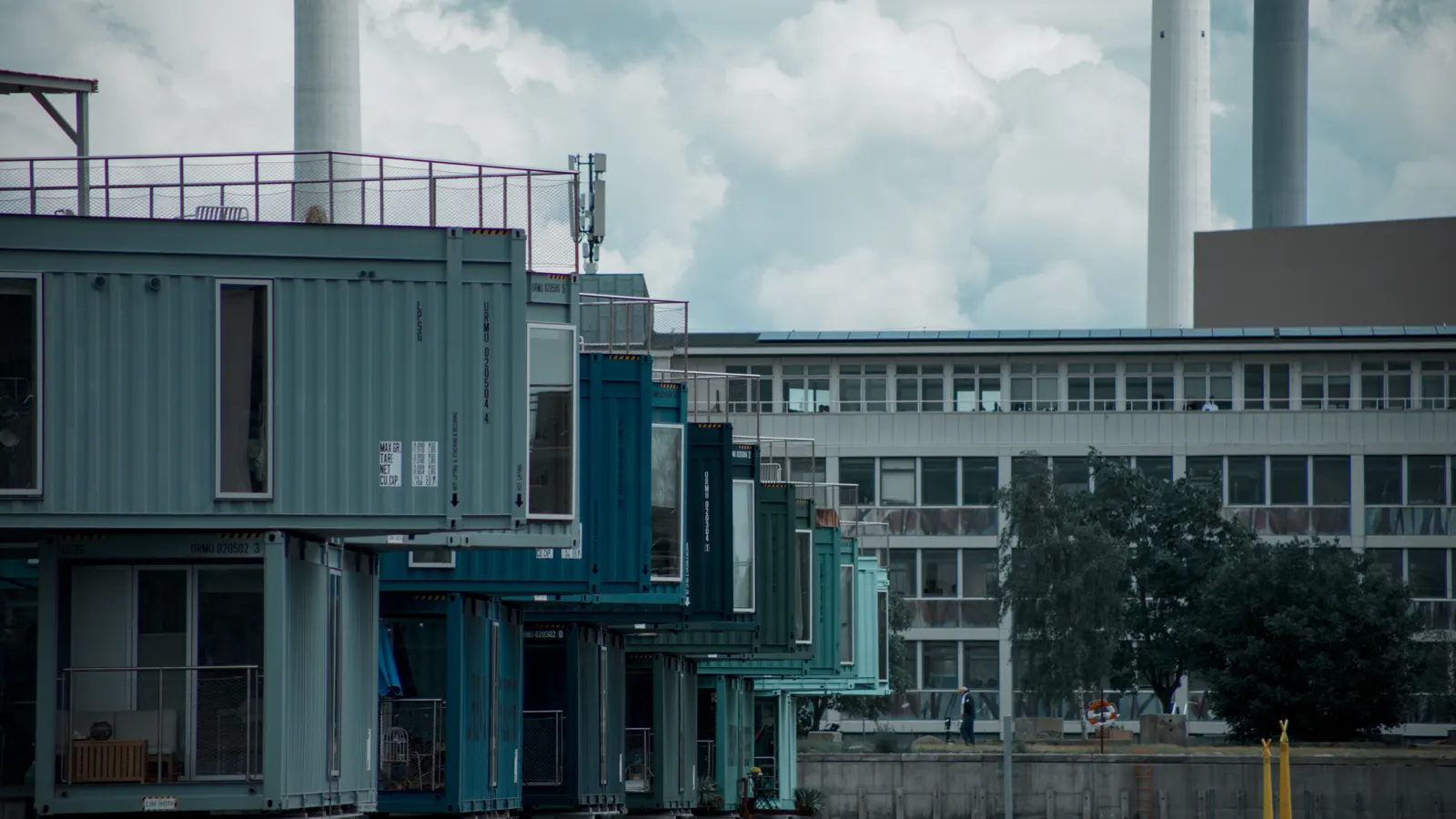
Containerized treatment units represent a major change in how equipment moves from factory to site. A standard shipping container provides a protected enclosure for the treatment process. It keeps the unit secure during transport and ready for installation.
The benefits are clear. The unit arrives protected from weather and handling damage. Installation is faster because the shell is already built. The interior can be fully finished before shipping.
There are trade-offs, though. A container adds weight. It limits internal space. It may require specific foundation or anchoring. A 40-foot container is not just a box. It is a structural element that must support the weight of the treatment equipment inside.
Logistics planning must account for the container itself. Check the site access for width, height, and turning radius. Verify the crane capacity for lifting. Confirm that the local authority permits the container to be placed on the site as a permanent or semi-permanent structure.
A common mistake is treating the container as a simple shipping box. It is a building code item. It needs anchoring to resist wind and seismic forces. It needs ventilation for heat rejection. It needs a door that operates safely in the field. The supplier should provide these details in the engineering package.
Digital integration and data access
Future water tech is moving control systems beyond simple on-off logic. Modern modular units collect data continuously. They track energy use, chemical consumption, membrane performance, and alarm conditions. This data stream is now a core feature, not an add-on.
For buyers, data access is a procurement issue. The contract must specify who owns the data and how it is delivered. Does the supplier provide a dashboard? Can the buyer export the data to their own system? Are there restrictions on remote access?
A supplier that locks the data behind a proprietary platform creates a dependency. You pay for the equipment, but you do not fully control the information from it. A supplier that offers open data protocols and standard APIs gives you more flexibility.
Ask about the control system architecture. Is it a standalone PLC or a modular controller? Does it support redundancy? What happens if the network connection drops? A unit that goes silent when the internet is down is a serious operational risk.
Plan for the human side of digital integration. Who configures the alarms? Who sets the operating limits? Who interprets the data? The technical specification must define these roles. Without them, the unit will run, but the team will not know how to use the data effectively.
Retrofit scenarios and future upgrades
The design of modular water treatment equipment is changing because plants are expected to operate for longer periods. A unit installed today may need to handle a higher demand in five years. It may need a new water quality parameter in ten. The design must allow for this.
Retrofit capability is a key differentiator. A good modular unit has space for additional modules. It has spare electrical capacity. It has hydraulic connections that can be tapped without cutting existing piping.
A bad design bakes the capacity into the shell. If you need more flow, you cannot add it without replacing the unit. This is a major financial risk. The initial cost looks lower, but the life-cycle cost is higher because you replace the system instead of expanding it.
When reviewing a proposal, look for the expansion path. Ask the supplier to show the layout with the maximum expected capacity. Check if the power supply can handle the added load. Check if the chemical storage can hold the extra inventory.
This is where future water tech meets practical procurement. The technology may not be fully defined yet, but the physical design can accommodate it. A modular unit with a standardized mounting grid and accessible electrical panel is ready for new components. A sealed, custom-built unit is not.
Supplier evaluation and documentation
The supplier selection process must adapt to these design changes. You are no longer just comparing equipment price. You are comparing the quality of the engineering package.
The table below shows the key areas where documentation quality matters.
| Evaluation Area | What to Check | Why It Matters |
|---|---|---|
| Interface Standards | P&ID, Electrical SLD, Protocol List | Ensures easy integration with existing plant systems |
| Logistics Data | Weight, Dimensions, Lifting Points | Prevents site access and transport delays |
| Data Access | API availability, Dashboard features, Export options | Protects your ability to use the collected data |
| Expansion Path | Spare capacity, Mounting grid, Power headroom | Allows growth without full replacement |
| Support Terms | Remote access, Spare parts, Response times | Reduces operational downtime and dependency |
A supplier that provides these documents early signals a mature engineering process. A supplier that asks you to wait for final design after the contract is signed is managing risk in the wrong direction.
The number of steps in the procurement process should reflect the complexity of the design. A simple skid unit may need a standard purchase order. A complex containerized system with digital integration needs a detailed technical annex.
Keep the contract aligned with the design. If the unit is a container, the contract must cover foundation work, anchoring, and site preparation. If the unit has a control system, the contract must cover software licenses and data access.
Preparing your procurement plan
To prepare for these modular water treatment trends, update your procurement documents now. The standard template for fixed plants will not work for modular units.
First, define the site conditions clearly. Provide the supplier with the plot plan, power availability, and utility connections. The more precise the input, the more accurate the design.
Second, specify the data requirements. State that you need open protocols and a data export option. This prevents a supplier from selling a locked system.
Third, plan for the expansion. State the expected growth in water quality or flow. The supplier must design for that headroom.
Finally, test the supplier on a small scale. If possible, ask for a pilot unit or a detailed technical review of a similar project. A supplier that can explain the interface points and the expansion path in plain language is a reliable partner.
The direction of the industry is clear. Smaller units, better data, and easier integration are the baseline. Suppliers who design for this reality will win the next round of procurement. Those who do not will be left selling equipment that is hard to install, hard to connect, and hard to upgrade.
Frequently asked questions
How does a containerized treatment unit differ from a skid-mounted unit?
A containerized unit sits inside a steel shipping container, providing a protected enclosure. A skid-mounted unit is a frame-based assembly without a full shell, which is lighter and easier to transport but less protected.
What is the biggest risk when buying a modular water treatment unit?
The biggest risk is integration failure. If the unit uses proprietary interfaces or locks data, it becomes difficult to connect to your plant systems or expand the capacity later.
How do I check if a supplier is ready for future water tech?
Ask for the control system architecture and data access terms. A supplier that provides open protocols and standard APIs is prepared for future tech. One that uses a closed, proprietary platform is a risk.
Do I need a special foundation for a modular unit?
Yes. Both skid and containerized units require a concrete foundation. A containerized unit needs anchoring to resist wind and seismic forces. Check the weight and dimensions before specifying the foundation.
Can I upgrade a modular unit later without replacing it?
It depends on the design. A well-designed unit has spare power, hydraulic taps, and mounting space. A sealed or custom-built unit may not allow upgrades. Always check the expansion path in the proposal.